
Optional Car Insurance Coverages — Florida
Free to compare
The Coverage Gap Florida's Minimum Leaves Open
Florida requires $10,000 property damage liability and $10,000 personal injury protection on every vehicle you register. That mandate covers damage you cause to someone else's car and your own medical bills after a crash, regardless of fault. It does not cover damage to your own vehicles, and it does not cover injuries you cause to other people. If you total your own car or injure another driver, Florida's minimum leaves you personally liable for the full amount.
Households insuring two or more vehicles face a structural decision most single-car drivers never confront: whether to add the same optional coverages to every vehicle on the policy, or structure coverage vehicle-by-vehicle based on value, mileage, and how each car is used. The policy treats every vehicle as a separate coverage unit. Adding collision to one car does not add it to the others. The premium reflects every coverage choice you make for every vehicle, and most multi-car households overpay by treating optional coverage as an all-or-nothing decision across the policy.
“Bodily injury liability applies policy-wide. You buy it once; it protects every vehicle and every driver on your policy.”

Compare Florida Car Insurance Quotes Today
Get My Florida Car Insurance Quote$10,000
Florida Property Damage Minimum
Florida Statutes require $10,000 property damage liability and $10,000 PIP on every registered vehicle. Bodily injury liability, collision, and comprehensive are optional under state law, but lenders require collision and comprehensive on financed vehicles.
Florida Department of Highway Safety and Motor Vehicles
Bodily Injury Liability Covers What PIP Does Not
Personal injury protection pays your medical bills after a crash, up to your policy's PIP limit, regardless of who caused the collision. It does not pay the other driver's medical bills. If you cause a crash that injures another person and you carry only Florida's minimum coverage, you are personally liable for their medical expenses, lost wages, and pain-and-suffering damages. Florida is a no-fault state for your own injuries, but a tort state for injuries you cause to others.
Bodily injury liability fills that gap. It pays medical expenses, lost income, and legal damages when you injure another driver, passenger, or pedestrian. Coverage is sold in split limits: a per-person maximum and a per-accident maximum. A $100,000/$300,000 bodily injury policy pays up to $100,000 for any one person injured in a crash you cause, and up to $300,000 total if multiple people are injured in the same accident.
For households insuring multiple vehicles, bodily injury liability applies across the entire policy. You do not buy it per vehicle. If any driver in your household causes an injury crash while driving any vehicle on the policy, the bodily injury limit applies. One limit protects every car and every driver listed on the policy. Adding a third or fourth vehicle to your policy does not require you to buy bodily injury coverage three or four times.
Bodily injury liability becomes essential when household assets exceed what you could afford to lose in a lawsuit. If you own a home, hold retirement accounts, or have significant savings, a single at-fault injury crash without bodily injury coverage exposes those assets to a judgment. Florida does not require bodily injury liability, but 31 other states do, and most carriers writing multi-car policies in Florida recommend at least $100,000/$300,000 limits for households with two or more vehicles.
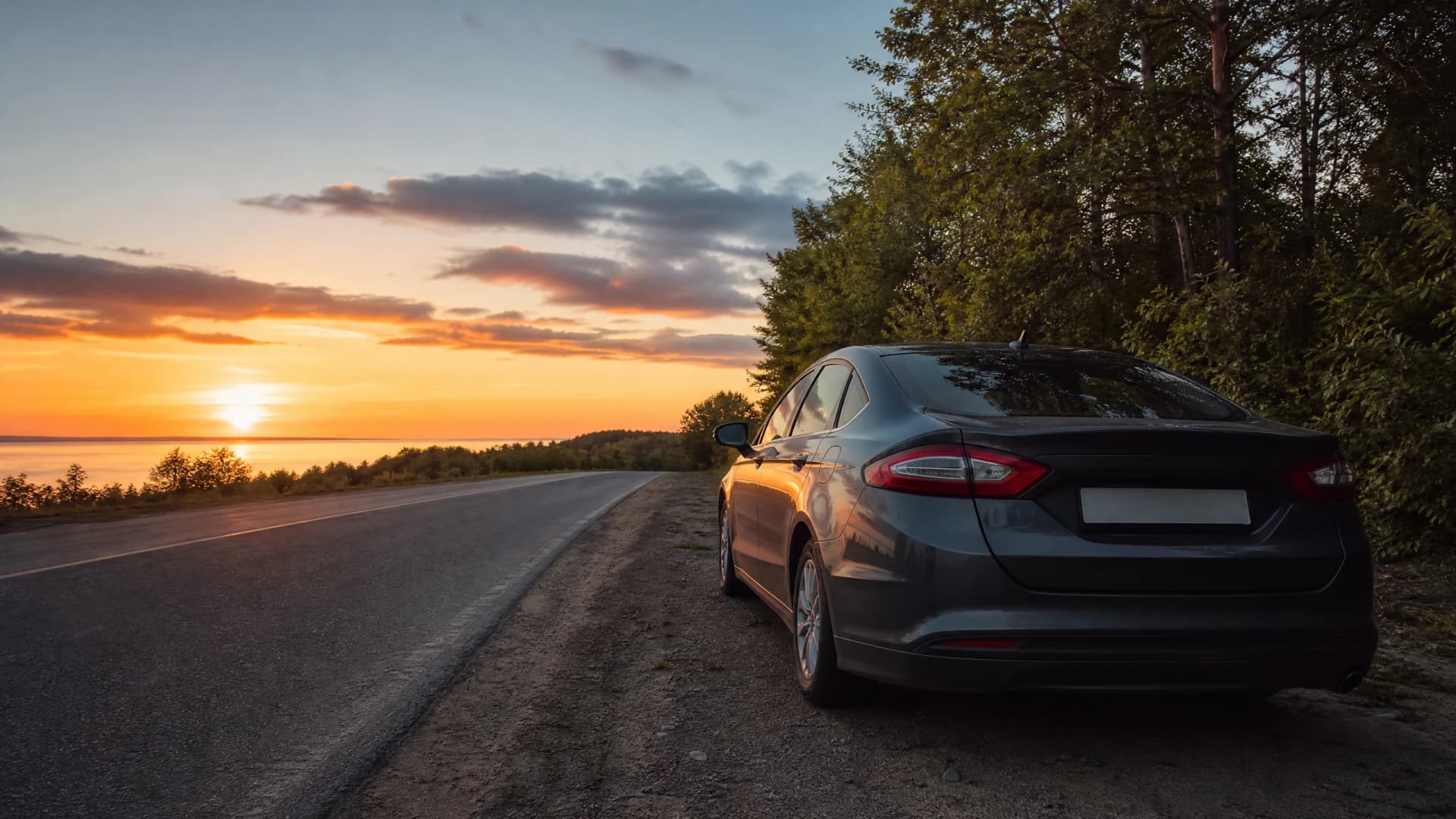
Bodily injury liability is optional under Florida law but applies policy-wide. You buy it once; it protects every vehicle and every driver on your policy.
Related Articles



Uninsured and Underinsured Motorist Coverage
Florida does not require uninsured motorist coverage, but 20.6% of Florida drivers carry no insurance. That figure comes from the Insurance Research Council's 2023 uninsured-motorist study and represents one of the highest uninsured rates in the country. You either pay out of pocket, file under your own collision coverage and pay your deductible, or recover nothing.
Uninsured motorist coverage pays for injuries and vehicle damage caused by a driver with no insurance. Underinsured motorist coverage pays when the at-fault driver carries insurance but their limits are too low to cover your damages. Both coverages apply per person and per accident, structured the same way as bodily injury liability. A household policy with $100,000/$300,000 uninsured motorist coverage protects every driver and every vehicle on the policy, just as bodily injury liability does.
For multi-car households, uninsured motorist coverage becomes more valuable as the number of vehicles and drivers increases. More vehicles on the road means more exposure to other drivers. A household with three cars and four drivers faces three times the uninsured-motorist risk of a single-car household. The coverage costs less than collision on most Florida policies because it only pays when another driver is at fault and uninsured, a narrower risk than your own at-fault crashes.
20.6%
Florida Uninsured Driver Rate
One in five Florida drivers carries no insurance, per the Insurance Research Council's 2023 study. Uninsured motorist coverage protects your household when an at-fault driver cannot pay for the damage they cause.
Insurance Research Council, 2023

Rental Reimbursement and Roadside Assistance
Rental reimbursement pays for a rental car while your vehicle is being repaired after a covered claim. The coverage applies only during repairs for a covered claim under collision or comprehensive. It does not pay for a rental while your car is being serviced for mechanical failure or routine maintenance.
For multi-car households, rental reimbursement is often unnecessary. If you own three vehicles and one is in the shop, you still have two vehicles available. The coverage makes sense when every vehicle in the household is in daily use and losing one car for a week disrupts work commutes, school runs, or other fixed obligations. Evaluate rental reimbursement vehicle-by-vehicle. Add it to the primary commuter vehicle; skip it on the weekend car or the vehicle driven occasionally.
Compare Carriers That Write Multi-Car Policies in Florida
Optional coverage decisions depend on which carriers write your household's vehicles and how each carrier prices collision, comprehensive, and uninsured motorist coverage relative to your base premium. Florida's multi-car market includes 25 carriers writing policies for households with two or more vehicles. Geico, Progressive, State Farm, and Allstate write the largest share of multi-car policies in Florida, but non-standard carriers such as Dairyland, Bristol West, and Acceptance Insurance often offer lower base premiums for households with older vehicles or drivers with points on their record.
A smaller base premium with higher optional-coverage costs can produce a lower total premium than a higher base premium with cheaper add-ons, depending on which optional coverages you select and how many vehicles you add them to. The only way to know is to compare quotes with identical coverage structures across multiple carriers. Structure your comparison around the coverage decisions this article outlined: bodily injury liability policy-wide, collision on vehicles worth protecting, comprehensive on vehicles in high-theft or high-weather-risk areas, and uninsured motorist coverage scaled to your household's asset exposure. Compare the total premium for that structure across at least three carriers before you commit.
Collision and Comprehensive: Structure by Vehicle Value
Collision coverage makes sense when the vehicle's value justifies the premium. A conventional threshold: if the vehicle is worth more than ten times the annual collision premium, the coverage pays for itself over the vehicle's remaining life. Collision pays the actual cash value of the vehicle at the time of the loss, minus your deductible.
Comprehensive coverage costs less than collision in most Florida counties because it excludes at-fault crashes. Theft rates, hurricane exposure, and the frequency of animal strikes drive comprehensive premiums. In Florida, comprehensive claims are more common than collision claims in rural counties with high deer populations and coastal counties with hurricane risk. For multi-car households, comprehensive often makes sense on every vehicle if the premium is low, even when collision does not. A vehicle garaged in a high-theft ZIP code or a flood zone benefits from comprehensive coverage regardless of its age or value.
Get Your Free Quote
Get My Florida Car Insurance QuoteFrequently Asked Questions
Does Florida require bodily injury liability on multi-car policies?
No. Florida requires $10,000 property damage liability and $10,000 PIP on every vehicle, but bodily injury liability is optional. Most carriers recommend at least $100,000/$300,000 bodily injury limits for households with multiple vehicles because one limit protects every car and driver on the policy.
Should I add collision coverage to every vehicle on my Florida policy?
Not necessarily. Collision makes sense when the vehicle's value is at least ten times the annual collision premium. For a multi-car household, add collision to financed vehicles and high-value vehicles; skip it on older cars worth less than your deductible plus two years of collision premiums.
What is the difference between uninsured and underinsured motorist coverage in Florida?
Uninsured motorist coverage pays when an at-fault driver has no insurance. Underinsured motorist coverage pays when the at-fault driver's limits are too low to cover your damages. Both apply policy-wide and protect every vehicle and driver on your multi-car policy.
Do I need rental reimbursement if I own three cars?
Probably not. Rental reimbursement pays for a rental car while your vehicle is being repaired after a covered claim. If you own multiple vehicles, you likely have another car available. Add rental reimbursement only to vehicles whose loss would disrupt fixed obligations like work commutes.
Does comprehensive coverage cost less than collision in Florida?
Yes, in most counties. Comprehensive excludes at-fault crashes and covers theft, weather damage, and animal strikes. Florida's high theft rates and hurricane exposure make comprehensive claims common, but the coverage still costs less than collision because it excludes the highest-frequency claim type.
How does adding a third vehicle change my optional coverage costs?
Adding a vehicle re-rates your entire policy. Bodily injury liability and uninsured motorist coverage apply policy-wide, so adding a third car does not triple those costs. Collision and comprehensive are priced per vehicle, so adding a third car with both coverages raises your premium by the cost of those coverages on that specific vehicle.