
Full Coverage Car Insurance — Florida
Free to compare
What Full Coverage Means in Florida
You're weighing whether to carry full coverage on your household's vehicles, but Florida's mandatory coverage structure is different from most states. Florida requires $10,000 property damage liability and $10,000 personal injury protection, but does not require bodily injury liability for in-state drivers. Full coverage — collision and comprehensive — sits on top of that base, not on top of traditional liability minimums.
This matters because the cost structure is inverted. You're already paying for PIP whether you carry full coverage or not. The decision is whether adding collision and comprehensive to protect your own vehicles justifies the additional premium when you insure multiple cars on one policy.
“Florida requires PIP on every vehicle regardless, so the full-coverage decision is whether collision and comprehensive justify their cost on top of that mandatory base.”

Compare Florida Car Insurance Quotes Today
Get My Florida Car Insurance Quote$10,000
Florida Property Damage Minimum
Florida requires $10,000 property damage liability and $10,000 PIP, but no bodily injury liability for in-state drivers. Full coverage builds on this base, not on traditional liability minimums.
Florida Department of Highway Safety and Motor Vehicles
The Structural Reality: PIP Is Mandatory, Full Coverage Is Not
Florida's no-fault system requires every driver to carry PIP, which pays your own medical expenses regardless of who caused the accident. Property damage liability covers damage your vehicle causes to someone else's property. Neither of these coverages pays to repair your own vehicle after a collision or comprehensive loss.
Full coverage — the industry shorthand for collision plus comprehensive — is optional. Collision pays to repair your vehicle after an accident with another car or object. Comprehensive pays for theft, vandalism, weather damage, and animal strikes. When you finance or lease a vehicle, the lender requires both. When you own the vehicle outright, the decision is yours.
The confusion arises because most states require bodily injury liability, and drivers think of liability as the mandatory base. In Florida, PIP is the mandatory base. Full coverage is an add-on that protects your asset, not a legal requirement.
When you insure multiple vehicles on one policy, the full-coverage decision applies per vehicle. You can carry collision and comprehensive on one car and liability-only on another. The multi-car discount applies to the policy as a whole, but coverage elections are vehicle-specific.

The blocker: you're paying for PIP on every vehicle regardless, so the full-coverage decision is whether collision and comprehensive justify their cost on top of that mandatory base.
Related Articles






How Lenders and Lease Companies Force the Decision
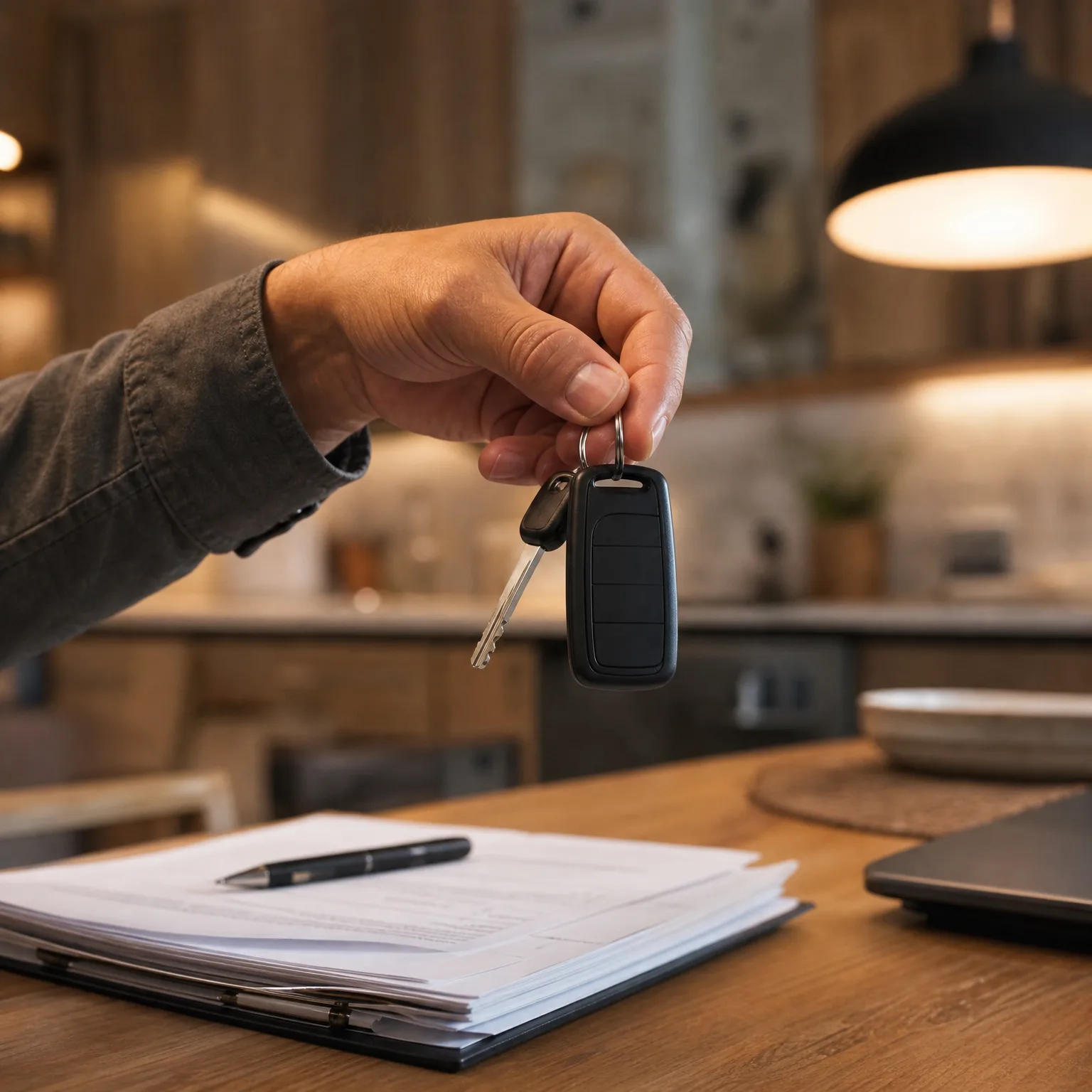
When you finance or lease a vehicle, the lender or leasing company requires collision and comprehensive with a maximum deductible, typically $500 or $1,000. This requirement appears in the financing or lease contract and lasts until the loan is paid off or the lease ends. The lender verifies coverage through your carrier and can force-place insurance if you drop it, at a much higher cost.
When you own a vehicle outright, no one forces the decision. You can drop collision and comprehensive the day the loan is paid off. Many households keep full coverage on financed vehicles and drop it on paid-off vehicles, especially older ones where the vehicle's value no longer justifies the premium.
If you insure multiple vehicles and one is financed while the others are owned outright, the financed vehicle must carry full coverage. The others do not. The multi-car discount applies to the entire policy, but each vehicle's coverage election is independent.
20.6%
Florida Uninsured Motorist Rate
One in five Florida drivers carries no insurance. Uninsured motorist coverage is optional in Florida, but it protects you when an at-fault driver has no coverage to pay your vehicle repair or medical costs.
Insurance Research Council, 2023
The Gap Between Full Coverage and Uninsured Motorist Protection
Full coverage pays to repair your vehicle after a collision or comprehensive loss, but it does not pay when an uninsured driver hits you and has no coverage to pay your claim. That gap is where uninsured motorist property damage coverage sits. Florida does not require it, but with one in five drivers uninsured, many households add it.
Uninsured motorist property damage pays to repair your vehicle when an at-fault driver has no insurance. It typically carries a deductible and a per-accident limit. When you carry collision coverage, uninsured motorist property damage is redundant — collision already pays for the repair. When you drop collision on an older vehicle, uninsured motorist property damage becomes the only coverage that pays if an uninsured driver hits you.
Compare Carriers That Write Multi-Vehicle Policies in Florida
Carriers price full coverage differently, and the gap widens when you insure multiple vehicles. Florida's minimum coverage requirements set the liability floor, but collision and comprehensive premiums vary by carrier, vehicle value, deductible, and your household's claims history. The multi-car discount lowers the per-vehicle cost, but the discount percentage and the base rate both vary by carrier.
Get quotes from carriers that write multi-vehicle policies in Florida and compare the total premium with and without collision and comprehensive on each vehicle. The decision is not binary across your household — you can carry full coverage on high-value vehicles and liability-only on older ones, all on the same policy.
When Full Coverage Makes Sense for Multiple Vehicles
If a vehicle is worth more than ten times the annual collision and comprehensive premium, full coverage typically makes financial sense. When you own multiple vehicles, apply this test per car — newer or higher-value vehicles justify full coverage, older or lower-value vehicles often do not.
Deductibles matter more when you insure multiple cars. If you carry full coverage on three cars and total one in an at-fault accident, you pay one deductible for that vehicle's repair. Choosing a $1,000 deductible lowers the premium further but increases your out-of-pocket exposure if a claim happens.
Get Your Free Quote
Get My Florida Car Insurance QuoteFrequently Asked Questions
Does Florida require full coverage car insurance?
No. Florida requires $10,000 property damage liability and $10,000 personal injury protection, but does not require collision or comprehensive coverage. Full coverage is mandatory only when a lender or leasing company requires it as a condition of financing.
What does full coverage car insurance include in Florida?
Full coverage typically means collision and comprehensive coverage added to Florida's mandatory property damage and PIP base. Collision pays to repair your vehicle after an accident; comprehensive pays for theft, vandalism, weather damage, and animal strikes. It does not include bodily injury liability, which Florida does not require for in-state drivers.
Should I carry full coverage on all my vehicles in Florida?
Not necessarily. Apply the value test per vehicle: if a car is worth more than ten times the annual collision and comprehensive premium, full coverage typically makes sense. Newer or financed vehicles justify it; older paid-off vehicles often do not. You can mix coverage levels on the same multi-car policy.
Can I drop full coverage after I pay off my car loan in Florida?
Yes. Once the loan is paid off, the lender no longer requires collision and comprehensive coverage. You can drop it immediately. Many Florida households keep full coverage on high-value vehicles and drop it on older ones where the premium exceeds the vehicle's replacement value.
Does full coverage protect me if an uninsured driver hits me in Florida?
No. Collision coverage pays to repair your vehicle regardless of fault, but it does not replace uninsured motorist property damage coverage. If you drop collision on an older vehicle, uninsured motorist property damage becomes the only coverage that pays when an uninsured driver hits you. Florida does not require it, but 20.6% of Florida drivers are uninsured.
How does the multi-car discount work with full coverage in Florida?
The multi-car discount applies to the entire policy, but you elect collision and comprehensive per vehicle. You can carry full coverage on one car and liability-only on another, and the discount still applies to both. The discount lowers the per-vehicle cost, but the percentage and base rate vary by carrier.