
Why Households Ask About Self-Insurance
You own three or four vehicles but only drive two regularly. The third sits in the garage most of the year, and you wonder if you can self-insure it instead of paying for coverage you rarely use. Florida law does allow self-insurance, but the path is designed for fleet operators and government entities, not individual households.
Self-insurance in Florida means you post financial proof that you can cover damages without a carrier. The state sets the threshold high enough that most households find a standard policy cheaper and simpler, even for a rarely-driven vehicle.
Compare car insurance rates in your state
Get quotes from licensed carriers — no obligation, no spam, results in minutes.
Get Your Free QuoteFlorida Self-Insurance Bond
That amount must remain on deposit for as long as the vehicle is registered and self-insured.
Florida Department of Highway Safety and Motor Vehicles
What Florida Self-Insurance Actually Requires
The bond or certificate must remain on deposit for the entire time the vehicle is registered under self-insurance.
The state treats the bond as your financial responsibility proof. If you cause an accident, the bond covers damages up to the deposited amount. You are responsible for any damages beyond that. The bond does not cover your own vehicle, your own injuries, or anyone else in your household unless you structure additional coverage separately.
Self-insurance does not exempt you from Florida's no-fault PIP requirement. You still need $10,000 in personal injury protection coverage for each vehicle, either through a standard policy or a separate PIP-only policy. Self-insurance replaces liability coverage only.
Most households pay less for a standard multi-car policy than they would tie up in bonds.
How Self-Insurance Compares to a Standard Policy

A standard multi-car policy spreads risk across a carrier's pool. You pay a premium, and the carrier handles claims, legal defense, and settlements. Self-insurance means you handle everything yourself: you pay claims out of pocket up to the bond amount, you hire your own legal defense if sued, and you manage the entire process. The bond is not insurance — it is proof you can pay. It does not include claim administration, legal representation, or coverage for your own vehicle.
A standard policy costs a fraction of that annually and includes comprehensive and collision coverage for your own vehicles, legal defense, and claim handling. Self-insurance makes sense for large fleets that can absorb losses and employ staff to manage claims. For a household with a rarely-driven car, a standard policy with liability-only coverage on that vehicle costs less and provides more protection.
Related Articles



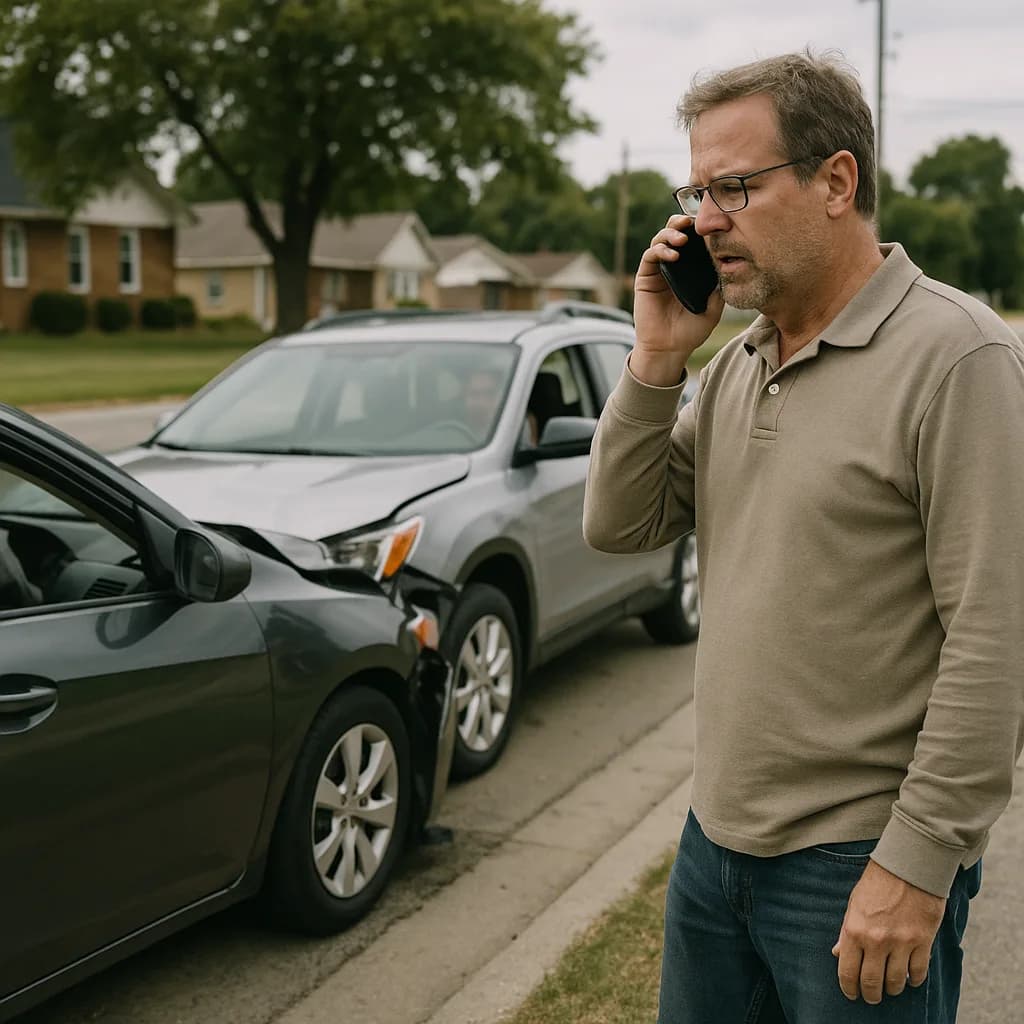


What Happens If You Cause an Accident While Self-Insured
The bond does not cover your own vehicle, your own medical bills, or anyone else in your household unless you structure separate coverage.
You also handle the claim process yourself. That means hiring a lawyer if the other party sues, negotiating settlements, and managing all paperwork. A standard policy includes legal defense as part of the coverage. Self-insurance does not.
If you fail to pay a judgment, the state can suspend your license and registration. The bond protects the other party, not you. A standard liability policy covers judgments up to your policy limits and includes legal defense, which self-insurance does not provide.
Florida Uninsured Motorist Rate
20.6%
One in five Florida drivers carries no insurance. A standard policy's uninsured motorist coverage protects you when an uninsured driver hits you. Self-insurance does not include that protection unless you buy it separately.
Insurance Information Institute, 2023
Why Most Households Choose a Standard Multi-Car Policy Instead
The policy includes liability coverage, legal defense, uninsured motorist protection, and optional comprehensive and collision coverage for your own vehicles. You can structure liability-only coverage on a rarely-driven car to keep the premium low while still meeting Florida's requirements.
The multi-car discount applies when every vehicle sits on the same policy. Adding a third or fourth vehicle to an existing policy costs less per vehicle than insuring each separately. A rarely-driven car on a liability-only basis adds a fraction of the cost of a primary vehicle with full coverage, and you avoid tying up tens of thousands of dollars in a bond.
Compare Carriers That Write Multi-Vehicle Policies in Florida
If you own multiple vehicles and want to avoid the capital commitment of self-insurance, compare carriers that write multi-car policies in Florida. Geico, Progressive, State Farm, Allstate, Nationwide, and Liberty Mutual all write multi-vehicle policies and offer liability-only options for rarely-driven cars. Structure full coverage on the vehicles you drive daily and liability-only on the vehicle that sits in the garage. That approach costs less than self-insuring and includes legal defense, uninsured motorist coverage, and claim handling the bond does not provide.