
What PIP Pays When You Insure Multiple Cars
You added a second car to your Florida policy and noticed the PIP line item doubled. You assumed PIP worked like liability — one shared limit covering every vehicle. It doesn't. Florida Personal Injury Protection attaches separately to each vehicle you insure, and each car carries its own $10,000 minimum medical-expense limit regardless of how many vehicles sit on the policy.
This matters immediately when a household member is injured in one of your insured vehicles. The PIP limit available for their medical bills is the limit attached to the specific car they were riding in when the injury occurred, not a pooled household total.
Compare car insurance rates in your state
Get quotes from licensed carriers — no obligation, no spam, results in minutes.
Get Your Free QuoteFlorida PIP Minimum Per Vehicle
$10,000
Florida Statutes require every registered vehicle to carry at least $10,000 in Personal Injury Protection coverage. This limit applies per vehicle, not per policy, so a household insuring three cars carries three separate $10,000 PIP limits.
Florida Statutes § 627.736
PIP Covers Medical Bills Regardless of Fault
Florida PIP pays medical expenses for anyone injured in your insured vehicle, whether you caused the crash or another driver did. The coverage also extends to you and your household members when you're injured as pedestrians or while riding in someone else's car. This no-fault structure means your own PIP pays first, before any liability claim against the at-fault driver.
PIP does not pay for vehicle damage. Property damage liability covers the other driver's car when you're at fault, and collision coverage on your own policy pays for your vehicle's repairs. PIP is strictly medical and wage-loss coverage for people, not cars.
Each vehicle on your policy carries its own PIP limit. The limit attached to the car someone was riding in when injured is the only PIP available for their medical bills from that crash.
What PIP Excludes and When It Stops Paying

PIP pays only for medical treatment received within 14 days of the crash. If you wait longer than two weeks to see a doctor, PIP will not cover the visit even if the injury was caused by the crash. This 14-day rule applies to every person injured in your insured vehicle, including passengers. The coverage also requires treatment from a licensed medical provider — chiropractors, physicians, hospitals, and physical therapists qualify, but unlicensed practitioners do not.
PIP does not pay for injuries you intentionally inflict on yourself, injuries sustained while committing a felony, or injuries that occur when you're driving a vehicle you don't own and that isn't listed on your policy. If a household member borrows a friend's car and crashes, your Florida PIP does not cover their medical bills — the friend's PIP on that vehicle pays first. When you're injured in your own insured vehicle, your PIP always applies regardless of who was driving.
Related Articles
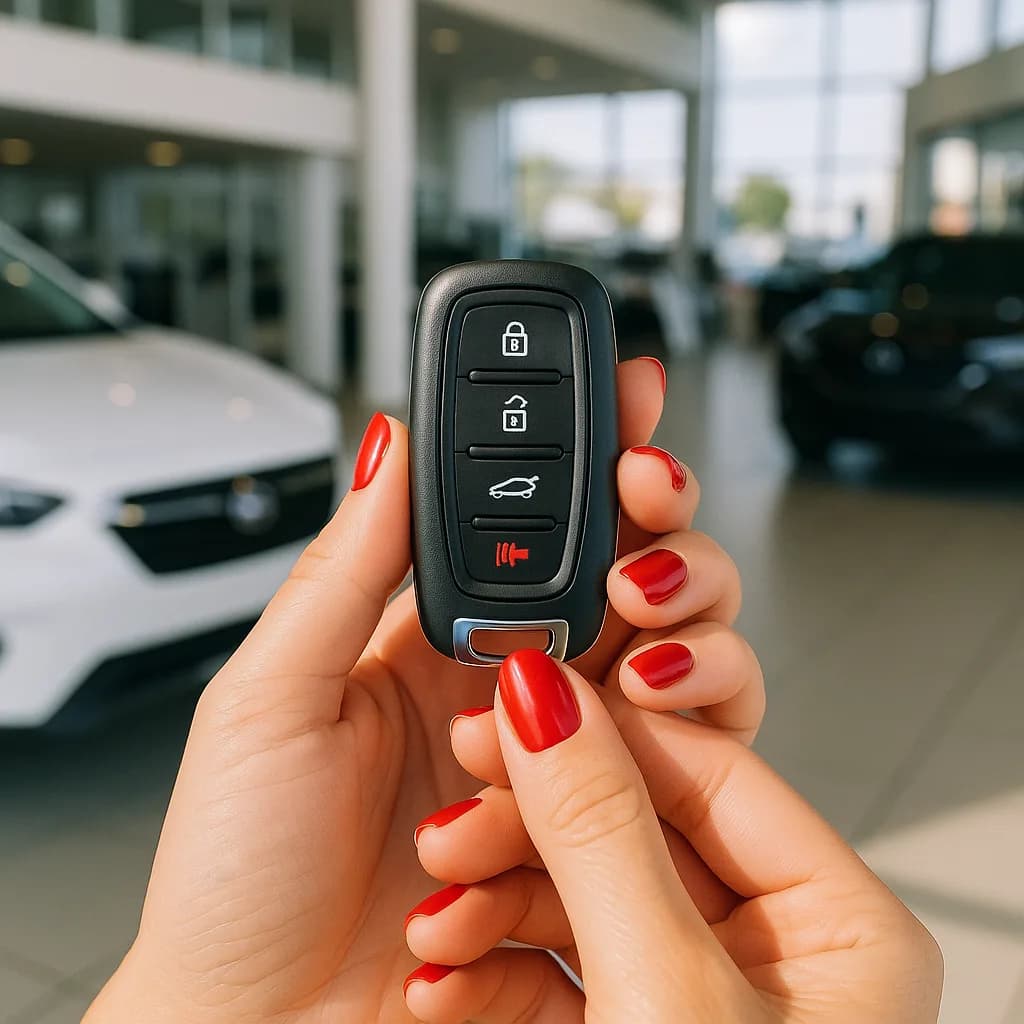





How PIP Works Across Multiple Household Vehicles
A household insuring three vehicles in Florida carries three separate $10,000 PIP limits. If two household members are injured in the same crash while riding in one of those vehicles, they share the $10,000 limit attached to that car. PIP does not stack across vehicles — you cannot combine the limits from your second and third cars to pay medical bills from an injury that occurred in the first car.
When you add a vehicle mid-term, the new car's PIP coverage begins immediately on the policy effective date for that vehicle. If you buy a second car on March 15 and add it to your existing policy the same day, PIP coverage for injuries in that car starts March 15. Florida law requires PIP on every registered vehicle, so carriers will not issue a policy or add a vehicle without it.
Some multi-vehicle households choose to carry higher PIP limits on the cars driven most frequently and minimum limits on rarely-driven vehicles. A family with a daily-commute sedan and a weekend classic might carry $50,000 PIP on the sedan and $10,000 on the classic. This approach concentrates coverage where injury risk is highest, but it requires you to track which vehicle each household member was in when an injury occurred.
Medical Expense Reimbursement Rate
Florida Statutes § 627.736
Comparing PIP Limits When You Add a Vehicle
When you add a second or third vehicle to your Florida policy, the carrier will ask whether you want to carry the same PIP limit on the new car as on your existing vehicles. A household with young children or multiple daily drivers often chooses higher limits to avoid surprise medical bills.
Carriers writing multi-vehicle policies in Florida include Geico, Progressive, State Farm, Allstate, Nationwide, and Travelers. Each carrier prices PIP differently based on your household's driving history, the vehicles you insure, and your garaging address. Comparing quotes from multiple carriers when you add a vehicle shows you the cost difference between minimum and higher PIP limits across your entire policy.
Next Step: Compare PIP Options for Your Household
Review the PIP limits currently attached to each vehicle on your policy. If you're adding a car, decide whether the new vehicle needs the same limit as your existing cars or a different amount based on how often it's driven. Choose the limit that keeps your household's out-of-pocket medical costs manageable without overpaying for coverage you don't need.