
Minimum Car Insurance Requirements — Florida
Free to compare
What Florida Law Actually Requires
Florida does not require bodily injury liability coverage for in-state drivers registering a vehicle. The state mandates $10,000 in property damage liability and $10,000 in personal injury protection (PIP). This no-fault structure means your PIP coverage pays your own medical bills after an accident, regardless of who caused the collision. Drivers coming from traditional liability states expect to buy bodily injury limits first — Florida's framework inverts that expectation.
The requirement applies per policy, not per vehicle. When you insure multiple cars on one policy, the $10,000 property damage and $10,000 PIP minimums cover every vehicle listed. You do not multiply the limits by the number of cars. Adding a second or third vehicle to an existing policy does not change the statutory minimum you must carry, though it will re-rate your premium based on the additional exposure.
“Florida mandates PIP and property damage, not bodily injury liability — a structure that confuses drivers coming from traditional liability states.”

Compare Florida Car Insurance Quotes Today
Get My Florida Car Insurance Quote$10,000
Florida Property Damage Minimum
Florida Statutes require $10,000 in property damage liability per occurrence. This limit applies to damage your vehicle causes to another person's car or property, not to your own vehicle. PIP covers your medical bills; property damage covers the other driver's repair costs.
Florida Department of Highway Safety and Motor Vehicles
How PIP Works in a No-Fault State
Personal injury protection pays up to $10,000 of your own medical expenses, lost wages, and death benefits after an accident, regardless of fault. Florida's no-fault system means you file a claim with your own carrier first, not the at-fault driver's insurer. PIP covers you, household members driving your car, and passengers in your vehicle. The coverage applies per person per accident, not per vehicle.
PIP does not cover property damage to your car. It does not cover the other driver's injuries. Those gaps are why many households add bodily injury liability and collision coverage beyond the state minimum. When you own multiple vehicles, PIP protects every driver and passenger across all cars on the policy. A household with three cars and four drivers carries one $10,000 PIP limit that applies to any covered person in any covered vehicle.
The $10,000 PIP limit exhausts quickly in serious accidents. Emergency room treatment, imaging, and follow-up care can exceed the limit within days. Florida law allows you to exclude PIP medical coverage in writing if you carry qualifying health insurance, but the exclusion voids the PIP requirement entirely — you cannot register a vehicle without PIP unless you meet the statutory health-insurance substitution criteria and file the rejection form with your carrier.

Florida does not require bodily injury liability unless you caused an accident, were convicted of DUI, or accumulated specific violations. For clean-record drivers, it remains optional.
Related Articles




Proof of Insurance and Registration
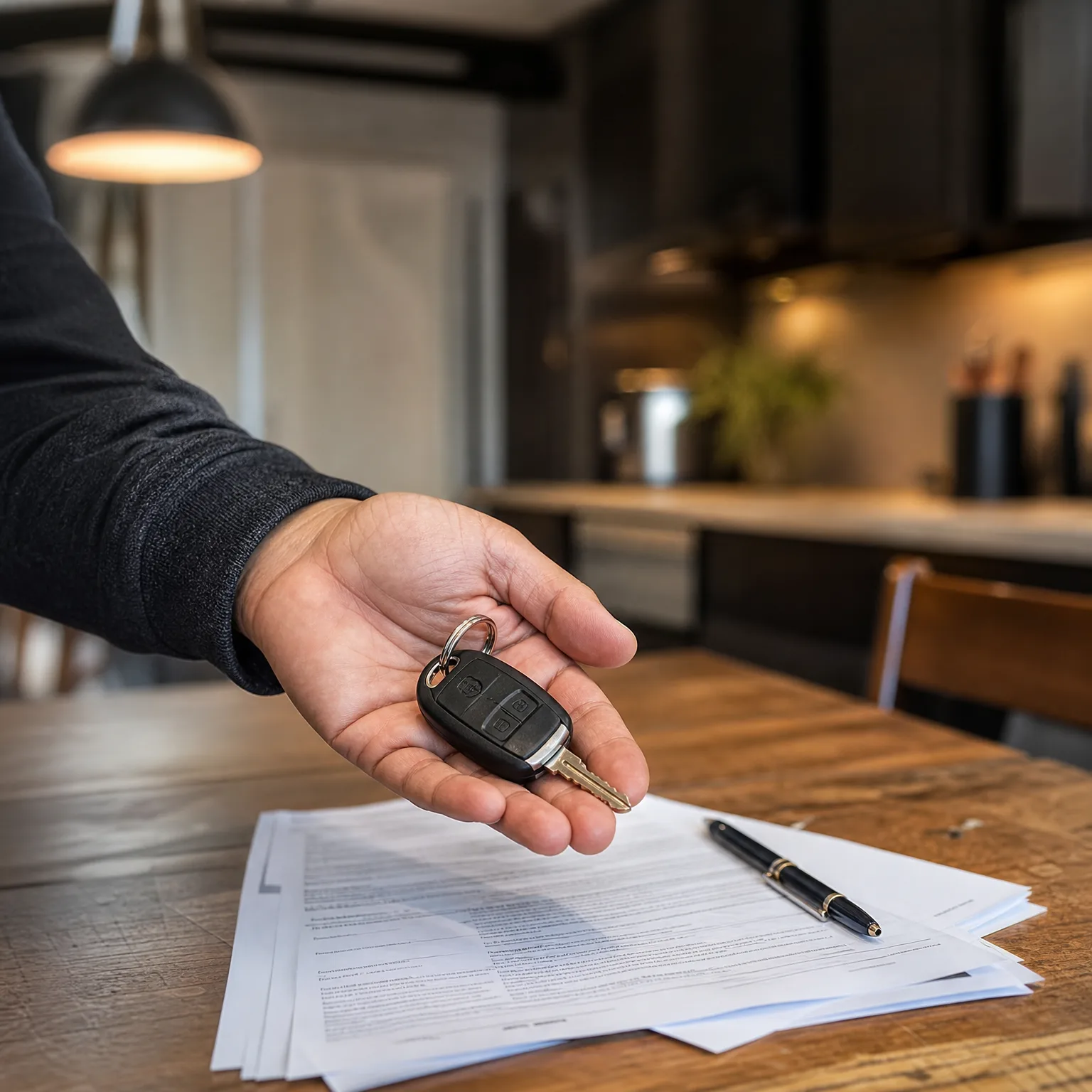
Florida accepts electronic proof of insurance. Your carrier issues a digital ID card accessible through their mobile app or website. Law enforcement and the DMV accept the electronic card as valid proof. You do not need to carry a paper card, though many drivers print one as backup. When you add a vehicle to your policy, the carrier updates your proof of insurance automatically. The new vehicle appears on your digital card within hours.
Registration requires proof that you carry the statutory minimums before the county tax collector will issue your plate. If you bought a car from a dealer, the dealer typically handles registration and verifies coverage electronically. If you bought from a private seller, you bring proof of insurance to the tax collector's office when you register the vehicle. The office verifies coverage in real time through the state's electronic database. A lapse in coverage triggers an automatic registration suspension. Florida does not require you to return your plate — the registration simply becomes invalid until you reinstate coverage and pay the reinstatement fee.
20.6%
Florida Uninsured Motorist Rate
One in five Florida drivers operates without insurance, the eighth-highest uninsured rate in the nation. The $10,000 property damage minimum leaves you exposed when an uninsured driver totals your car. Uninsured motorist property damage coverage is optional in Florida but fills the gap the state minimum does not address.
Insurance Research Council, 2023

Minimum Coverage Versus Full Coverage
Minimum coverage means $10,000 property damage and $10,000 PIP. Full coverage adds comprehensive and collision to repair or replace your own vehicle, plus bodily injury liability to cover injuries you cause to others. The state does not define full coverage — it is an industry shorthand for a policy that protects your car and your assets beyond the no-fault minimums. Households with multiple vehicles often carry full coverage on financed or leased cars and minimum coverage on older paid-off vehicles.
Bodily injury liability protects your assets when you cause an accident that injures another person. The state minimum does not include it, but a serious at-fault accident can generate six-figure medical claims. If you own a home, hold retirement accounts, or have significant savings, bodily injury liability shields those assets from lawsuit judgments. A household insuring three vehicles might carry $100,000 per person and $300,000 per accident bodily injury limits across the policy. The limit applies per occurrence, not per vehicle, so one policy protects every car and driver you insure.
Compare Carriers That Write Your Household
Not every carrier writes policies for households with multiple vehicles at competitive rates. Some carriers offer multi-car discounts that reduce the per-vehicle cost when you insure two or more cars on one policy. Others price each vehicle independently and produce higher combined premiums. Florida's high uninsured motorist rate and no-fault PIP structure mean carrier pricing varies widely — the lowest rate for a single car does not always produce the lowest rate for a household with three.
Geico, Progressive, State Farm, Allstate, and Nationwide write multi-vehicle policies in Florida with electronic proof of insurance and same-day coverage starts. Acceptance Insurance, Dairyland, Bristol West, and Direct Auto specialize in non-standard policies for drivers with violations or lapses but also write clean-record households. Compare quotes across at least three carriers, specifying every vehicle you intend to insure and every driver in your household. Household composition and garaging address affect pricing as much as the vehicles themselves. A quote tool that pulls multiple carriers simultaneously shows you the structural price differences faster than calling each carrier individually.
When Bodily Injury Liability Becomes Mandatory
If you cause an accident resulting in injury, death, or property damage exceeding $500, Florida law requires you to carry bodily injury liability going forward. The state will suspend your license and registration until you file proof of coverage meeting elevated minimums. At that point, you must carry bodily injury liability for three years from the violation date. The same requirement applies after a DUI conviction, which triggers an FR-44 filing with $100,000 per person and $300,000 per accident bodily injury minimums.
Households insuring multiple vehicles face a structural decision when one driver triggers the bodily injury requirement. The elevated limits apply to the policy, not just the driver or vehicle involved in the violation. If your spouse's DUI requires FR-44 filing, every vehicle on the shared policy must meet the $100,000/$300,000 bodily injury minimums. Splitting the household into separate policies — one for the driver with the violation, one for clean-record drivers — can lower the combined premium, but not all carriers allow mid-term policy splits.
Get Your Free Quote
Get My Florida Car Insurance QuoteFrequently Asked Questions
Does Florida require bodily injury liability insurance?
No, Florida does not require bodily injury liability for drivers registering a vehicle with a clean record. The state mandates $10,000 property damage liability and $10,000 personal injury protection (PIP). Bodily injury liability becomes mandatory only after specific violations: causing an accident with injury or property damage exceeding $500, DUI conviction, or accumulating points that trigger a suspension.
What is the minimum car insurance required in Florida?
$10,000 in property damage liability per occurrence and $10,000 in personal injury protection (PIP) per person. These minimums apply per policy, not per vehicle. A household insuring three cars on one policy carries one $10,000 property damage limit and one $10,000 PIP limit covering all three vehicles.
Can I register a car in Florida without PIP coverage?
No, unless you meet the statutory health insurance substitution criteria and file a written PIP rejection form with your carrier. Florida law requires PIP to register a vehicle. The rejection option applies only when you carry qualifying health insurance that meets the state's medical-payment thresholds. Most drivers cannot reject PIP and must carry the $10,000 minimum.
How does PIP work when I insure multiple cars?
PIP covers every driver and passenger across all vehicles on your policy. The $10,000 limit applies per person per accident, not per vehicle. A household with three cars and four drivers carries one $10,000 PIP limit that pays medical bills for any covered person injured in any covered vehicle, regardless of fault.
What happens if I let my Florida car insurance lapse?
Florida suspends your vehicle registration automatically when coverage lapses. You do not need to return your plate, but driving with a suspended registration is illegal and carries fines.
Do I need uninsured motorist coverage in Florida?
No, uninsured motorist coverage is optional in Florida. However, 20.6% of Florida drivers operate without insurance. The $10,000 property damage minimum does not cover your vehicle when an uninsured driver causes an accident. Uninsured motorist property damage coverage fills that gap and is worth considering for households with multiple financed or high-value vehicles.
Can I insure multiple cars on one Florida policy?
Yes, most carriers allow you to insure multiple vehicles on one policy. The state minimums — $10,000 property damage and $10,000 PIP — apply per policy, not per vehicle. Adding a second or third car re-rates your premium but does not require you to multiply the statutory limits. Many carriers offer multi-car discounts that reduce the per-vehicle cost when you insure two or more cars together.