When You Need Proof and What Counts
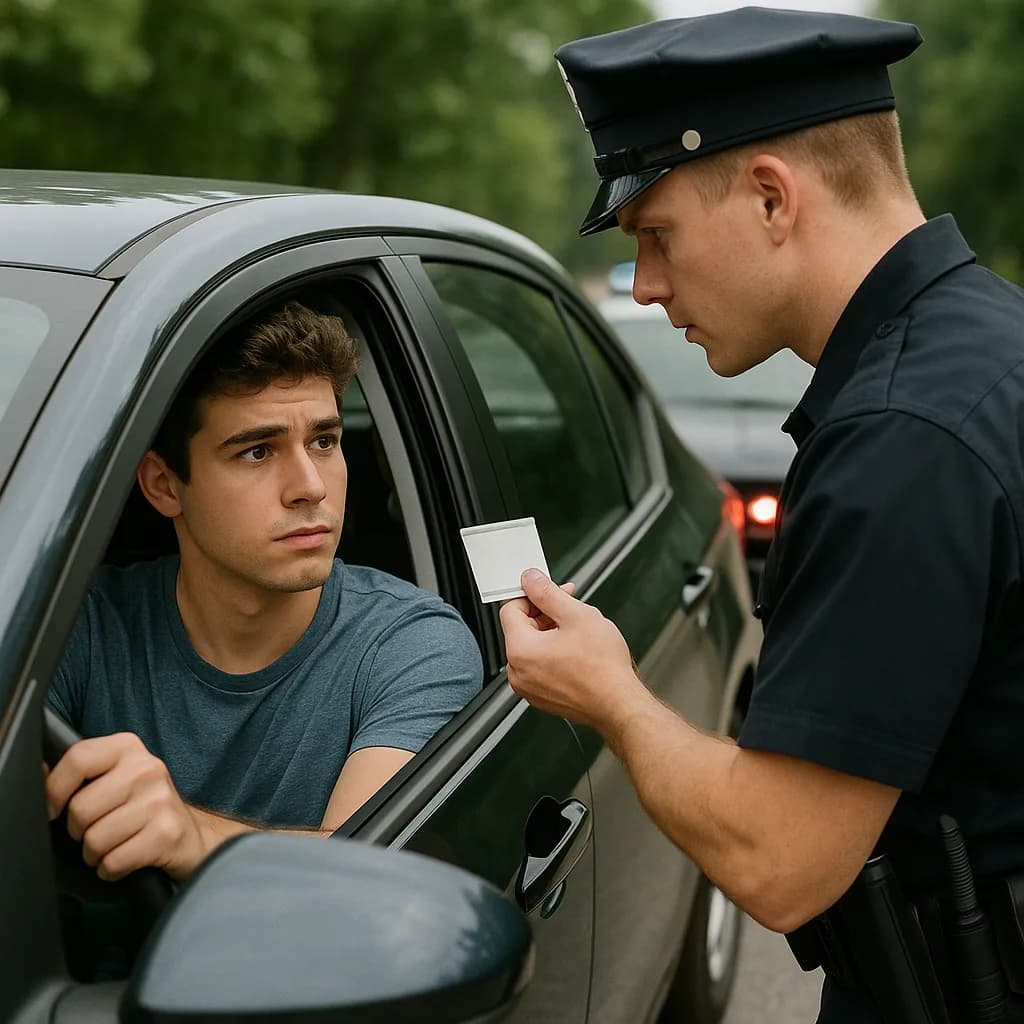
You need proof of car insurance in three situations in Florida: traffic stops, vehicle registration or renewal at the DMV, and after an accident. The format that counts as valid proof changes depending on which situation you're in. A digital insurance card on your phone satisfies a traffic stop under Florida Statute 316.646, but the same digital card is not accepted at DMV counters for registration transactions — those require a paper card or an email printout from your carrier.
The mismatch creates a procedural trap. Drivers who carry only digital proof can register online in some counties but must bring paper to a tax collector office. Drivers who carry only paper cards risk losing or damaging them before a traffic stop. Most Florida households with multiple vehicles keep one paper card per car in the glove box and digital cards on every driver's phone, covering both scenarios without carrying redundant documents.
Compare car insurance rates in your state
Get quotes from licensed carriers — no obligation, no spam, results in minutes.
Get Your Free QuoteFlorida Uninsured Motorist Rate
20.6%
One in five Florida drivers operates without insurance, the fourth-highest uninsured rate in the nation.
Insurance Research Council, 2023
What Florida Law Requires You to Carry
Florida requires $10,000 property damage liability and $10,000 personal injury protection on every registered vehicle. Your proof of insurance must show both coverages and list the vehicle identification number, the policy number, the effective dates, and the carrier name. Digital proof and paper cards contain identical information; the difference is the medium, not the content.
The policy must be active on the date you present proof. An expired card, even by one day, does not satisfy the requirement. If you renewed your policy but haven't received the new card, your carrier can email a temporary proof-of-insurance document that functions as valid proof until the permanent card arrives. Print it or save the PDF to your phone.
Florida does not require you to carry proof of uninsured motorist coverage at traffic stops or DMV transactions, even though many carriers include it. The officer or clerk verifies only that property damage liability and PIP meet the state minimums. If your policy includes higher limits or additional coverages, those appear on the same card but are not checked during routine verification.
A valid insurance card with an expired effective date is not proof of insurance, even if your policy renewed automatically and you simply haven't received the new card yet.
Where to Find Digital and Paper Proof

To access digital proof, log into your carrier's mobile app or website and navigate to the policy documents or ID cards section. Most carriers let you download a PDF or display a scannable card on your phone screen. Save the PDF to your phone's files app or email it to yourself so you can access it without an internet connection. Officers accept a photo of a digital card displayed on your phone, but a saved PDF is faster to pull up during a stop.
Paper cards arrive by mail at the policy address within 7 to 10 business days of a new policy or renewal. If you added a vehicle mid-term, the carrier mails a card for that vehicle within the same window. If the card doesn't arrive within two weeks, call your carrier and request a duplicate by mail or ask them to email a temporary proof document you can print. Keep one paper card per vehicle in the glove box; if you manage multiple cars on one policy, you'll receive a separate card for each vehicle.
Related Articles



What Happens If You Can't Produce Proof
If you cannot produce proof of insurance during a traffic stop, the officer issues a citation under Florida Statute 316.646. You can dismiss the citation by presenting valid proof to the clerk of court within 30 days, showing that you were insured at the time of the stop but simply didn't have the card with you.
The suspension is immediate and remains in effect until you complete all reinstatement requirements.
At DMV transactions, failure to provide proof of insurance stops the registration or renewal process entirely. You cannot complete the transaction without valid proof. The clerk will not accept a verbal confirmation that you have insurance or a promise to return with the card later. Bring a paper card, an email printout from your carrier, or access your carrier's website on your phone and display the digital card to the clerk if your county's tax collector office accepts digital proof at the counter.
Florida No-Proof-of-Insurance Fine
Florida Statute 316.646
Digital Proof at Traffic Stops vs Paper at the DMV
Florida Statute 316.646 explicitly allows electronic proof of insurance at traffic stops, meaning an officer must accept a digital card displayed on your phone. The statute does not extend that allowance to DMV transactions. County tax collector offices set their own policies on whether they accept digital proof at the counter, and most require paper cards or printed documents for registration and title work.
If you're renewing registration online through your county's website, the system verifies your insurance electronically through the Florida Department of Highway Safety and Motor Vehicles database and does not ask you to upload or display proof. If you're renewing in person or registering a newly purchased vehicle, bring a paper card or a printed email from your carrier. Call your county tax collector office before you go if you're unsure whether they accept digital proof at the counter.
Managing Proof Across Multiple Vehicles
If you insure multiple vehicles on one Florida policy, your carrier issues a separate insurance card for each vehicle. Each card lists only that vehicle's VIN, even though all vehicles share the same policy number and effective dates. Keep one paper card per vehicle in each car's glove box so the driver of that car can produce proof during a stop without needing to access another vehicle's documents.
Digital proof works the same way: your carrier's app displays a separate card for each vehicle on the policy. When an officer asks for proof, select the card that matches the vehicle you're driving. If you're stopped while driving a household member's car that's on your policy, pull up that car's card, not your own vehicle's card. The officer verifies the VIN on the card against the vehicle, not against your driver's license.
After you add a vehicle to an existing policy, the carrier mails a new card for that vehicle within 7 to 10 business days and updates your digital proof immediately. If you're driving the newly added car before the paper card arrives, save the emailed proof document to your phone or print it and keep it in the car. Florida law does not require proof to be a physical card; a printed email from your carrier satisfies the statute as long as it contains the policy number, VIN, effective dates, carrier name, and coverage amounts.