
New Car Insurance Requirements — Florida
Free to compare
Florida's New Car Coverage Grace Period
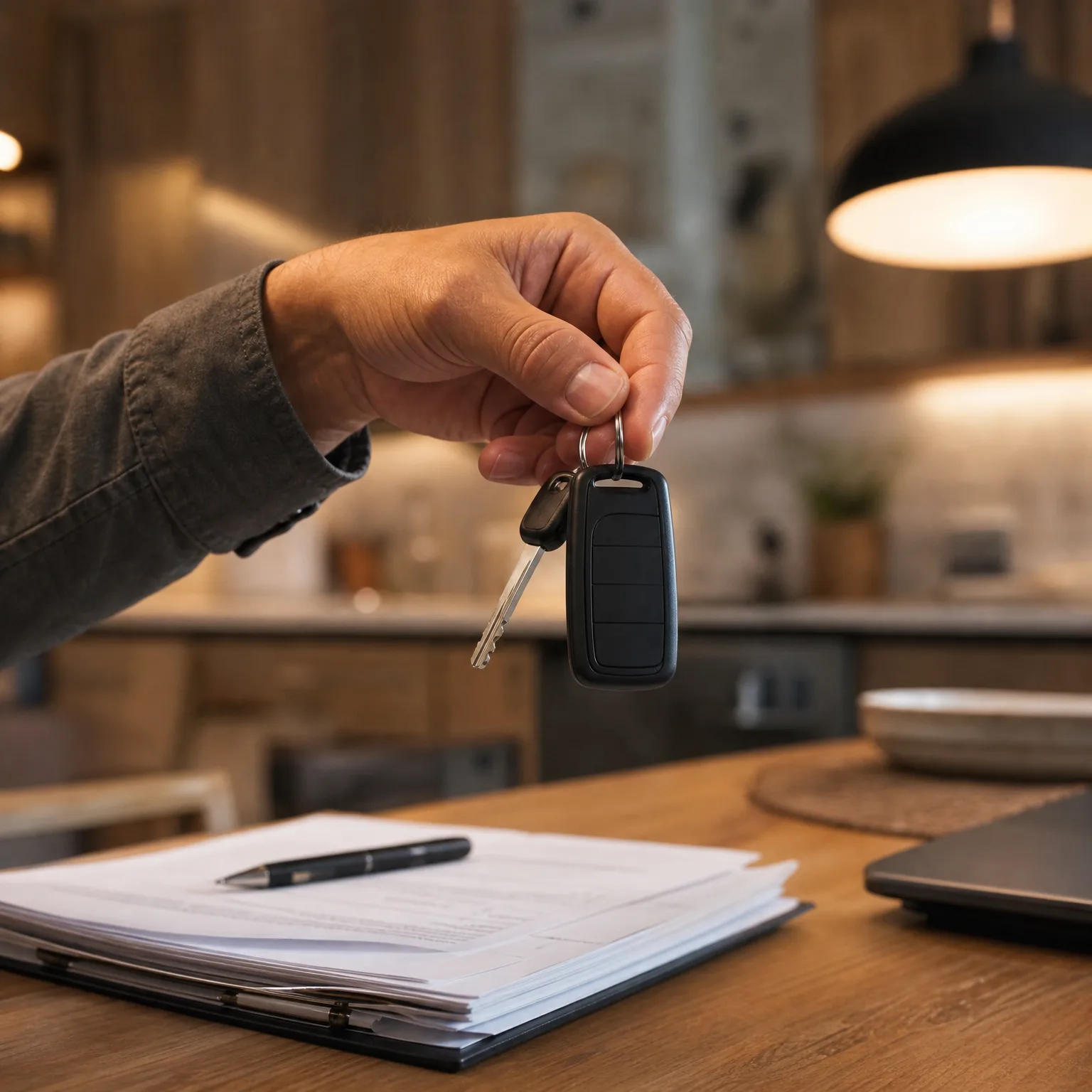
You bought a new car today. Your existing Florida auto policy covers it automatically for 30 days — but only if you notify your carrier within that window. Miss the deadline and the carrier can deny any claim on the new vehicle retroactively, even if the accident happened during the grace period. The 30-day clock starts the moment you take possession, not when you remember to call.
Florida law requires every registered vehicle to carry minimum liability coverage: $10,000 property damage and $10,000 personal injury protection (PIP). The grace period does not exempt you from those requirements. It simply extends your existing policy's coverage to the new car for 30 days, giving you time to formally add the vehicle and adjust your premium. If you drive the new car off the lot without existing coverage on another vehicle, the grace period does not apply — you need a new policy before you drive.
“The 30-day clock starts the moment you take possession, not when you remember to call.”

Compare Florida Car Insurance Quotes Today
Get My Florida Car Insurance Quote$10,000
Florida Minimum PIP Coverage
Florida requires $10,000 personal injury protection on every registered vehicle. PIP pays your medical expenses and lost wages regardless of fault, and it must be in place before you register a newly purchased car.
Florida Department of Highway Safety and Motor Vehicles
What the Grace Period Actually Covers
The 30-day grace period applies only when you already carry an active auto policy on at least one other vehicle. The new car inherits the same coverage limits as the vehicle on your existing policy with the broadest coverage. If your current policy carries liability only, the new car is covered for liability only during the grace period. If your current policy includes collision and comprehensive, the new car receives that same protection — but only for 30 days.
The grace period does not extend your policy term. It does not freeze your premium. It does not protect a vehicle you forgot to add six months ago. It is a 30-day notification window, nothing more. After 30 days, coverage on the new vehicle stops unless you have formally added it to the policy and paid the adjusted premium.
Some carriers require notification within a shorter window — 14 days or even 7 days — depending on your policy terms. Read your declarations page or call your carrier the day you buy the car. The statutory 30-day grace period is the maximum; your carrier's policy may impose a tighter deadline.

If you do not notify your carrier within the grace window, any claim on the new vehicle can be denied, even if the accident happened on day 15.





What Happens If You Miss the 30-Day Window
Miss the grace period and the new car has no coverage. If you file a claim on day 35, the carrier will deny it. If you had an accident on day 20 but did not notify the carrier until day 40, the carrier can deny that claim retroactively — the grace period protects you only if you notify within 30 days, even if the loss occurred earlier.
You can still add the car after 30 days, but coverage starts from the date you notify the carrier, not the date you bought the car. Any gap between purchase and notification is uninsured time. If you were in an accident during that gap, you are personally liable for all damages.
Florida is a no-fault state for injury claims, meaning your PIP coverage pays your medical bills regardless of who caused the accident. But PIP only applies to covered vehicles. If the new car was never added to your policy, PIP does not pay. You are responsible for your own medical expenses, and the other driver's carrier will pursue you directly for property damage if you were at fault.
20.6%
Florida Uninsured Motorist Rate
One in five Florida drivers carries no insurance. If an uninsured driver hits your new car during the grace period and you missed the notification deadline, your uninsured motorist coverage does not apply — the new car was never covered.
Insurance Information Institute, 2023

Adding a Second or Third Car to a Multi-Vehicle Policy
If you already insure two or more vehicles, adding a third or fourth car to the same policy typically qualifies for a multi-car discount. The discount applies to the entire policy, not just the new vehicle, and most carriers increase the discount percentage as you add more cars. The exact discount varies by carrier — some cap it at three vehicles, others extend it to five or more.
The multi-car discount requires every vehicle to sit on the same policy and usually requires all vehicles to be garaged at the same address. If the new car will be garaged at a different location — a college student's car parked at a dorm, for example — some carriers will not apply the discount to that vehicle. Ask your carrier how garaging address affects the discount before you finalize the addition.
Compare Carriers Before You Add the Car
Adding a new car re-rates your entire policy. If the adjusted premium is significantly higher than expected, compare quotes from other carriers before you commit. Some carriers specialize in multi-vehicle policies and offer better rates for households with three or more cars. Others penalize high-value vehicles or charge more for collision coverage on newer models.
Florida's competitive insurance market includes both standard and non-standard carriers. If your current carrier quotes a sharp premium increase for the new car, request quotes from at least two other carriers that write multi-vehicle policies in Florida. Switching carriers mid-term is allowed, and you can cancel your current policy without penalty as long as you maintain continuous coverage on all vehicles. The new carrier will issue proof of insurance immediately, and you can register the new car the same day.
How to Add the New Car to Your Policy
Call your carrier or log into your account portal within 30 days of purchase. Provide the vehicle identification number (VIN), the purchase date, and proof of ownership (title or bill of sale). The carrier will quote the adjusted premium based on the new car's make, model, year, and the coverage levels you select. If you financed the car, the lender will require collision and comprehensive coverage — your carrier cannot write liability-only on a financed vehicle.
The premium adjustment takes effect immediately, and most carriers bill the difference as a mid-term adjustment rather than waiting for your next renewal. If the new car is more expensive to insure than your current vehicle, expect the premium to rise. If it is cheaper, the premium may drop. The carrier re-rates the entire policy when you add a vehicle, not just the new car in isolation.
Get Your Free Quote
Get My Florida Car Insurance QuoteFrequently Asked Questions
Does my Florida auto insurance automatically cover a new car I just bought?
Yes, for 30 days, but only if you already have an active policy on another vehicle. The new car inherits the same coverage limits as your existing policy's broadest vehicle. You must notify your carrier within 30 days or coverage stops retroactively.
What happens if I don't add my new car to my Florida policy within 30 days?
Coverage on the new car ends, and any claim filed after the grace period will be denied. If you had an accident during the grace period but notified the carrier after 30 days, the carrier can deny that claim retroactively.
Can I register a new car in Florida without insurance?
No. Florida requires proof of insurance before registration. You must carry at least $10,000 property damage liability and $10,000 PIP on every registered vehicle. The DMV will not issue a registration without proof of coverage.
Does adding a new car to my Florida policy increase my premium?
Usually, yes. The carrier re-rates your entire policy when you add a vehicle, and the premium adjusts based on the new car's make, model, year, and coverage levels. If you finance the car, the lender will require collision and comprehensive, which increases the premium further.
Do I get a multi-car discount if I add a second vehicle to my Florida policy?
Most carriers offer a multi-car discount when you insure two or more vehicles on the same policy. The discount applies to the entire policy and typically increases as you add more cars, but it requires all vehicles to be garaged at the same address.
Can I switch insurance carriers after I buy a new car in Florida?
Yes. Adding a new car re-rates your policy, and if the adjusted premium is higher than expected, you can switch carriers mid-term without penalty. The new carrier will issue proof of insurance immediately, and you can register the new car the same day.