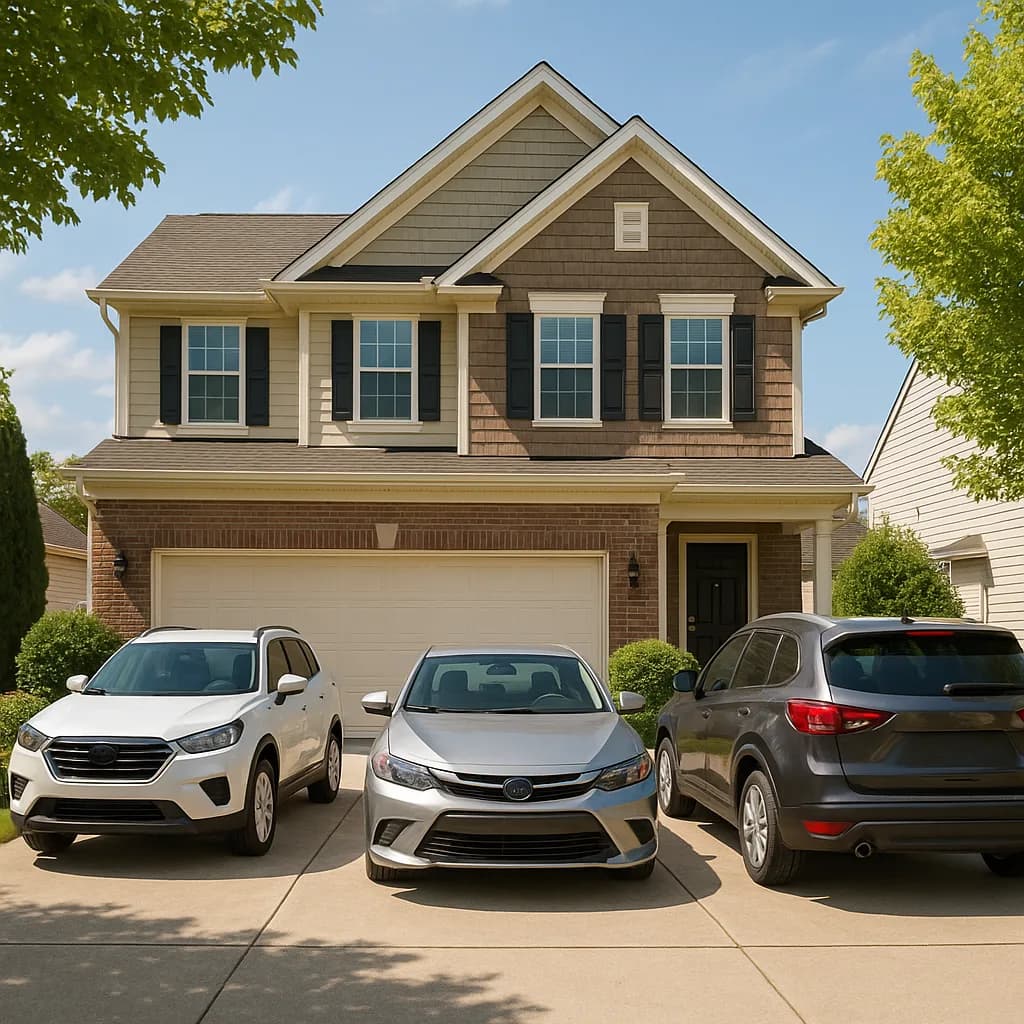
You Insure Multiple Vehicles and Want to Lower Your Premium
You carry auto insurance on two or more vehicles in Florida, and your renewal premium just arrived higher than you expected. You want to lower your rate without leaving your household underinsured, but the quote shows one total premium with no breakdown of what each vehicle costs or where the money goes.
The structural reality: Florida requires $10,000 property damage liability and personal injury protection on every vehicle you insure, but collision, comprehensive, and the liability limits above the state minimum are decisions you control. Households with multiple vehicles have more levers to pull than single-car policies because you can structure coverage differently across vehicles based on how each is used, what it is worth, and who drives it.
Compare car insurance rates in your state
Get quotes from licensed carriers — no obligation, no spam, results in minutes.
Get Your Free QuoteFlorida Property Damage Minimum
$10,000
Florida does not require bodily injury liability for in-state drivers who meet financial responsibility through PIP and property damage coverage. Every vehicle on your policy must carry at least $10,000 property damage liability.
Florida Department of Highway Safety and Motor Vehicles
What Actually Controls Your Multi-Vehicle Premium
Your total premium is the sum of what each vehicle costs to insure plus the multi-car discount applied at the policy level. The carrier prices each vehicle separately based on its year, make, model, garaging address, primary driver, and the coverages you select for that specific car. The multi-car discount then reduces the combined total, typically by a percentage that increases with the number of vehicles on the policy.
Most households see the final number and assume the premium is fixed. The lever you control is the coverage structure on each vehicle. A 2015 sedan driven daily by a commuting adult and a 2008 SUV driven occasionally by a teenager do not need identical coverage. Matching your coverage to each vehicle's role and value is how you lower the total without creating gaps.
Florida law requires every vehicle to carry PIP and property damage liability. Beyond that, collision, comprehensive, and higher liability limits are optional. The decision is whether the coverage cost justifies the protection for that specific vehicle in your household.
Carriers quote your policy as one total premium, hiding the per-vehicle cost breakdown that shows where your money goes and which coverage changes lower your rate most.

You pay more in premium than the coverage could ever return.
Check your vehicle's actual cash value using a valuation tool or your most recent property tax assessment. Comprehensive coverage for theft, vandalism, and weather damage costs less than collision and may still be worth keeping even after you drop collision, depending on where you garage the vehicle and its theft risk in your county.
Related Articles






Raise Deductibles on Your Newer Vehicles
Your deductible is the amount you pay out of pocket before collision or comprehensive coverage pays a claim. A lower deductible means a higher premium; a higher deductible lowers your premium but increases what you pay if you file a claim. Households with multiple vehicles often carry a $500 deductible on every car because that was the default when they bought the policy, but matching deductibles to each vehicle's role lowers cost without creating risk.
Raise the deductible to $1,000 on vehicles driven by experienced adults with clean records and garaged securely. The premium savings compound across multiple vehicles. A household insuring three cars can lower the annual premium by several hundred dollars by moving from $500 to $1,000 deductibles on two of them, and the financial risk is manageable because the household can cover a $1,000 out-of-pocket expense if a claim occurs.
Keep the $500 deductible on vehicles driven by newer or higher-risk drivers where the probability of a claim is higher. Structuring deductibles by driver and vehicle role rather than applying one deductible across the policy is the second-largest lever after dropping collision on older cars.
Florida Uninsured Motorist Rate
20.6%
One in five Florida drivers carries no insurance. Uninsured motorist coverage is optional in Florida but protects your household when an at-fault driver cannot pay for damage they cause. Households with multiple vehicles and higher assets often carry this coverage despite the added premium.
Insurance Information Institute, 2023
Combine Policies and Confirm the Multi-Car Discount Applied
The multi-car discount applies only when every vehicle in your household sits on the same policy. If you and a spouse each carry a separate policy, or if a household member added a vehicle on their own policy, you lose the discount. Combining those policies into one typically lowers the total premium even before you adjust coverage on individual vehicles.
Call your carrier and confirm every vehicle you own is listed on one policy and that the multi-car discount applied. Some carriers require all vehicles to be garaged at the same address to qualify; others allow different garaging addresses as long as the vehicles belong to the same household. If a vehicle was recently added mid-term, the policy re-rated at that moment, and the discount may not have applied correctly. Verify the discount percentage matches what the carrier advertises for the number of vehicles you insure.
Compare Carriers That Write Multi-Vehicle Policies in Florida
Premium varies widely by carrier for the same coverage on the same vehicles. Florida has 29 carriers writing auto insurance in the state, and multi-vehicle households see the largest rate spread because each carrier prices the multi-car discount differently and weights vehicle, driver, and location factors in different orders.
Request quotes from at least three carriers that write multi-vehicle policies in Florida. Provide identical coverage specifications for each vehicle so the quotes are comparable: the same liability limits, the same deductibles, the same optional coverages. Compare the total annual premium and verify each quote includes the multi-car discount. Switching carriers is the highest-impact action when your current carrier's rate has increased beyond the market average for your household's profile. See Florida car insurance requirements for the state's minimum coverage rules and a breakdown of what each coverage type pays for.