Cheap Car Insurance — Florida
Free to compare
Why Adding a Second Car in Florida Costs More Than Expected
You added a second vehicle to your Florida policy expecting the multi-car discount to offset most of the cost. Instead, your premium jumped more than the quote suggested. The structural reality: Florida's no-fault Personal Injury Protection requirement applies per vehicle, not per policy. Every car you insure carries its own PIP coverage, and that cost stacks before any discount applies.
The multi-car discount reduces the base premium across all vehicles on the same policy, but it does not reduce the per-vehicle PIP mandate. A household insuring two cars in Florida pays double the PIP cost of a single-car household, even when both cars sit on one policy and qualify for the discount. Understanding how PIP interacts with the multi-car discount is the key to structuring coverage that meets Florida's requirements without overpaying.
“Florida PIP applies per vehicle—adding a second car doubles PIP cost before the multi-car discount applies.”

Compare Florida Car Insurance Quotes Today
Get My Florida Car Insurance Quote$10,000
Florida Minimum Property Damage
Florida requires $10,000 property damage liability and $10,000 Personal Injury Protection per vehicle. Unlike most states, Florida does not mandate bodily injury liability for in-state drivers who meet financial responsibility through PIP and property damage alone.
Florida Department of Highway Safety and Motor Vehicles
How Florida PIP Applies Across Multiple Vehicles
Personal Injury Protection covers medical expenses and lost wages for you and your passengers after an accident, regardless of fault. Florida law requires $10,000 PIP on every registered vehicle. When you insure two cars, you carry two separate PIP coverages. When you insure three, you carry three. The mandate is per-vehicle, not per-policy.
The multi-car discount applies to the liability and property damage portions of your premium. It does not waive or reduce the PIP requirement. A carrier writing a two-car policy in Florida will discount the combined liability and property damage base rate, but both vehicles still carry their own PIP coverage at full cost. This is why adding a second car increases your premium more than the discount percentage suggests.
Carriers structure PIP pricing differently. Some charge a flat per-vehicle PIP rate. Others tier PIP by driver age, vehicle type, or garaging zip code. When comparing quotes for a multi-car policy, ask each carrier how they calculate PIP across multiple vehicles. The carrier with the lowest combined PIP cost often wins the total-premium comparison, even if their liability rates are slightly higher.

Florida PIP applies per vehicle—adding a second car doubles PIP cost before the multi-car discount applies. The discount reduces liability and property damage, not the PIP mandate.



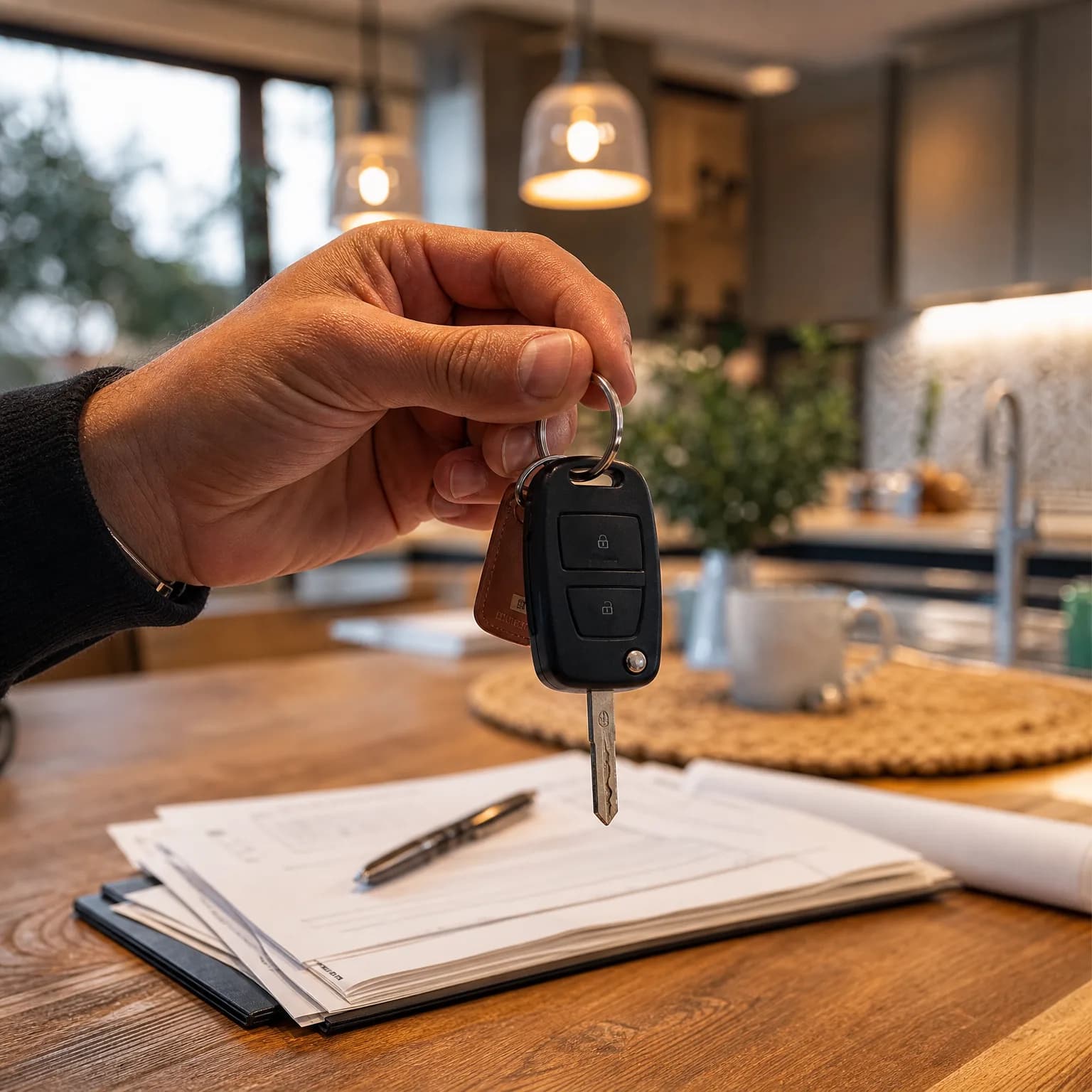
Comparing Carriers for Multi-Vehicle Florida Policies
Florida has 25 carriers writing multi-vehicle policies statewide. Carriers differ in how they rate PIP, how they apply the multi-car discount, and whether they require all vehicles to be garaged at the same address. Geico, Progressive, State Farm, and Allstate write the majority of multi-car policies in Florida. Acceptance Insurance, Bristol West, Dairyland, and The General write non-standard multi-car policies for households with violations or lapses.
When comparing quotes, confirm that every vehicle on the policy carries the required $10,000 PIP and $10,000 property damage. Some carriers quote minimum coverage by default; others assume you want higher limits. A quote that looks cheaper may carry lower property damage or exclude a vehicle from PIP. Verify that the quote includes every car you plan to insure and that each meets Florida's per-vehicle requirements.
Carriers that write FR-44 certificates often charge higher PIP rates because they specialize in high-risk households. If you do not need an FR-44, compare standard-tier carriers first. If one household member has a DUI conviction and requires an FR-44, that driver's vehicle will carry elevated liability limits and a higher PIP rate, but the other vehicles on the policy can remain at standard minimums. Structuring the policy correctly keeps the FR-44 cost isolated to the vehicle that requires it.
20.6%
Florida Uninsured Motorist Rate
One in five Florida drivers carries no insurance. Florida does not mandate uninsured motorist coverage, but adding it to a multi-car policy protects every vehicle and driver on the policy when an at-fault driver has no coverage.
Insurance Information Institute, 2023

Whether to Add Uninsured Motorist Coverage
Florida does not require uninsured motorist coverage, but the state's 20.6% uninsured rate is one of the highest in the country. Uninsured motorist coverage pays for injuries and vehicle damage when an at-fault driver has no insurance. It applies to every vehicle and driver on your policy. Adding it to a two-car policy covers both cars and every household member who drives them.
Uninsured motorist coverage costs less per vehicle when added to a multi-car policy than when purchased separately. The coverage is priced per policy, not per vehicle, so a household insuring three cars pays the same uninsured motorist premium as a household insuring one. This makes it one of the most cost-effective additions to a multi-vehicle Florida policy.
Structuring Coverage to Meet Florida Requirements and Lower Cost
Every vehicle on your Florida policy must carry $10,000 PIP and $10,000 property damage. Beyond that, you control the structure. Collision and comprehensive are optional unless a lienholder requires them. Bodily injury liability is optional for in-state drivers but required if you drive out of state frequently or if a household member needs an SR-22 or FR-44.
A multi-car policy with minimum coverage on every vehicle meets Florida's requirements at the lowest cost. Adding collision and comprehensive to newer or financed vehicles increases the premium but also increases the multi-car discount, because the discount applies to those coverages. A household insuring one new car and one older car can carry full coverage on the new vehicle and liability-only on the older one, applying the discount to the full-coverage vehicle while keeping the second car's cost minimal.
Compare quotes with identical coverage limits across all vehicles first. Then adjust coverage per vehicle to match each car's value and your household's risk tolerance. The multi-car discount applies regardless of whether every vehicle carries the same coverage, as long as all vehicles sit on the same policy.

Compare Multi-Car Quotes from Florida Carriers
Florida's per-vehicle PIP requirement and the multi-car discount interact differently at every carrier. The lowest total premium comes from the carrier that balances the lowest combined PIP cost with the largest multi-car discount on your liability and optional coverages. Compare quotes from at least three carriers writing multi-vehicle policies in Florida, confirm that every vehicle meets the state's per-vehicle minimums, and verify that the discount applies to every car on the policy. Use the Florida car insurance requirements page to confirm your household's coverage structure meets state law before finalizing your policy.
What the Multi-Car Discount Actually Covers
Most carriers writing multi-car policies in Florida apply the discount to every vehicle on the policy after the first. The first car pays full base rate; the second and third receive a percentage reduction. The discount percentage varies by carrier—some advertise it prominently, others apply it automatically without naming a figure. The discount applies only when all vehicles share the same policy and, in most cases, the same garaging address.
Collision and comprehensive coverage receive the discount when you carry them. PIP and property damage liability do not. If you insure two cars with liability and PIP only, the multi-car discount reduces the liability portion. If you add collision and comprehensive to both vehicles, the discount applies to those coverages as well. The more coverage you carry across multiple vehicles, the larger the absolute dollar reduction from the discount—but PIP remains a fixed per-vehicle cost regardless of how many cars you insure.
Get Your Free Quote
Get My Florida Car Insurance QuoteFrequently Asked Questions
Does the multi-car discount reduce Florida PIP cost?
No. The multi-car discount reduces liability, property damage, collision, and comprehensive premiums when two or more vehicles sit on the same policy. Florida PIP is a per-vehicle mandate and does not receive the discount. A household insuring two cars pays double the PIP cost of a single-car household, even with the multi-car discount applied.
Can I insure two cars in Florida on separate policies?
Yes, but you lose the multi-car discount. The discount applies only when all vehicles sit on the same policy. Insuring two cars on separate policies means each pays full base rate for liability and property damage, and each still carries its own $10,000 PIP requirement. Combining them onto one policy reduces the combined premium.
Do all vehicles on a Florida multi-car policy need the same coverage?
No. Every vehicle must carry Florida's minimum $10,000 PIP and $10,000 property damage, but you can add collision, comprehensive, and higher liability limits to individual vehicles. The multi-car discount applies to the policy regardless of whether every car carries identical coverage.
Does adding uninsured motorist coverage to a multi-car policy cost more per vehicle?
No. Uninsured motorist coverage is priced per policy, not per vehicle. A household insuring three cars pays the same uninsured motorist premium as a household insuring one. This makes it one of the most cost-effective additions to a multi-vehicle Florida policy, especially given the state's 20.6% uninsured motorist rate.
Which Florida carriers write the cheapest multi-car policies?
The cheapest carrier varies by household. Geico, Progressive, State Farm, and Allstate write the majority of multi-car policies in Florida and compete on combined PIP and liability rates. Acceptance Insurance, Bristol West, and Dairyland write non-standard multi-car policies for households with violations. Compare quotes from at least three carriers to find the lowest combined premium for your vehicles.