The 10-Day Window Starts When You Establish Residency
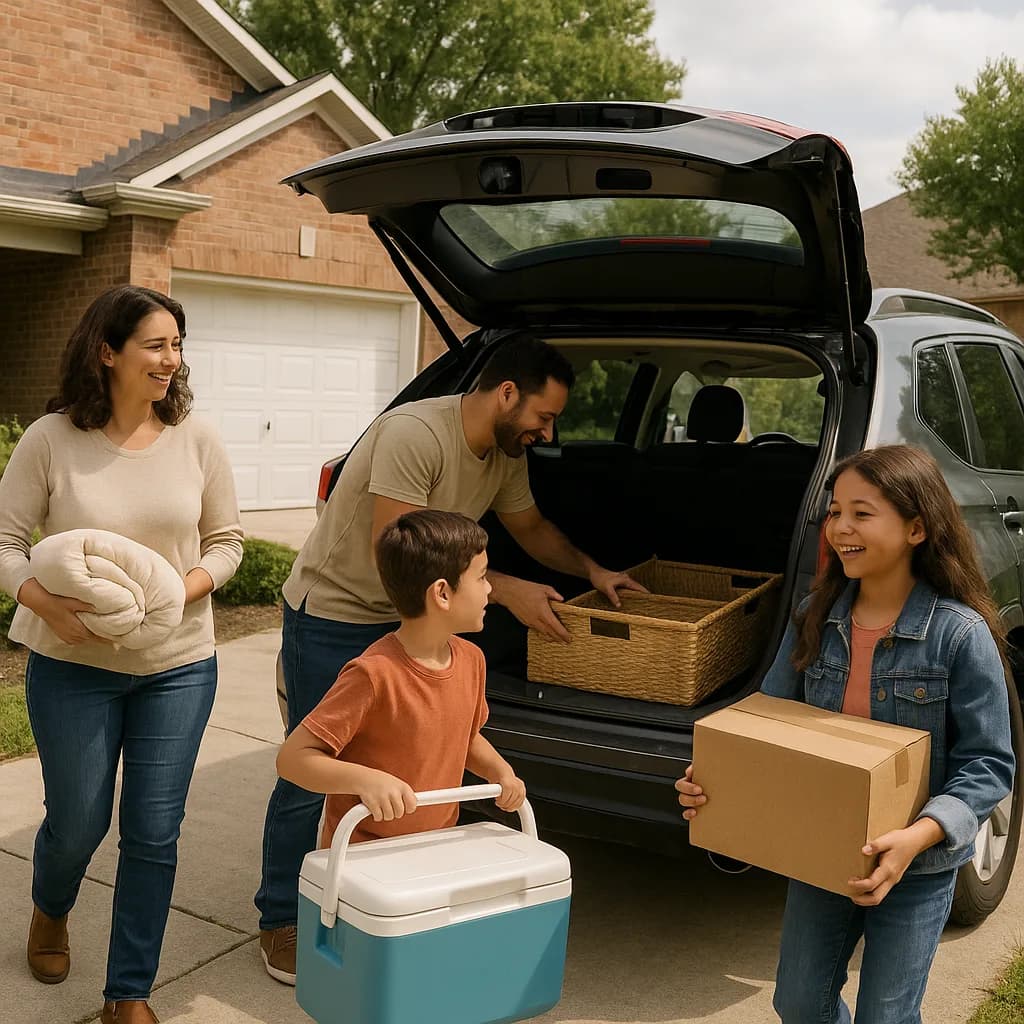
Florida law requires new residents to register their vehicles within 10 days of establishing residency. Residency begins the day you start employment in Florida, enroll children in Florida public schools, register to vote, or file for a homestead exemption — whichever comes first. The 10-day clock does not start when you cross the state line; it starts when you take an action that makes Florida your legal domicile.
If you own multiple vehicles, the 10-day deadline applies to each car individually, but the DMV's insurance verification requirement creates a household-wide dependency. You cannot register your first car without proving that every vehicle you own is insured in Florida, even if you plan to register the second and third cars weeks later. This forces the insurance decision to happen before the first registration, not incrementally as you register each vehicle.
Compare car insurance rates in your state
Get quotes from licensed carriers — no obligation, no spam, results in minutes.
Get Your Free QuoteFlorida Registration Deadline
10 days
New residents must register vehicles within 10 days of establishing residency. The deadline is measured from the first residency-establishing action — employment, school enrollment, voter registration, or homestead filing — not from the date you move belongings or sign a lease.
Florida Department of Highway Safety and Motor Vehicles
Florida Requires Proof of Insurance for Every Vehicle You Own
When you register your first vehicle at a Florida DMV office or tax collector, the clerk will ask for proof of insurance. Florida law requires minimum coverage of $10,000 property damage liability and $10,000 personal injury protection for every registered vehicle. The DMV verifies coverage electronically through the Florida Insurance Affidavit, a real-time database check that confirms your policy is active and meets state minimums.
The structural reality: the affidavit system checks not just the car you are registering, but every vehicle titled in your name. If you own three cars and only one is insured, the DMV will flag the gap and refuse registration on the insured vehicle until you add the other two to a Florida policy. This is not a clerk's discretion — it is a database constraint built into the state's registration system.
This means you cannot register your daily driver on day 3, then wait until day 9 to insure and register the second car. The insurance decision must cover your entire household fleet before you walk into the DMV for the first registration.
Florida's affidavit system blocks registration of any vehicle if another vehicle you own is uninsured, even if that second car is not being registered yet.
How to Structure Insurance Across Multiple Vehicles

If you are moving from a state where each car had its own policy, you will need to consolidate or re-quote. Call your current carrier first and ask whether they write Florida policies and whether they can transfer your existing multi-vehicle discount. If your carrier does not operate in Florida, you will need to bind new coverage with a Florida-licensed carrier before the 10-day deadline expires. Carriers writing multiple vehicles in Florida include Geico, Progressive, State Farm, Allstate, and Nationwide, among others.
The multi-car discount typically requires every vehicle on the same policy. If one car is titled to a household member who maintains a separate policy, that vehicle may not qualify for the discount, and the DMV will still require proof that it is insured before allowing you to register your own cars. Verify with your carrier whether separate policies for different household members will satisfy the DMV's affidavit check, or whether you need to combine policies to clear the registration block.
Related Articles





What Happens If You Miss the 10-Day Deadline
Driving an unregistered vehicle in Florida is a moving violation. The ticket does not waive the registration requirement — you still must register the vehicle and pay any applicable late fees at the tax collector's office.
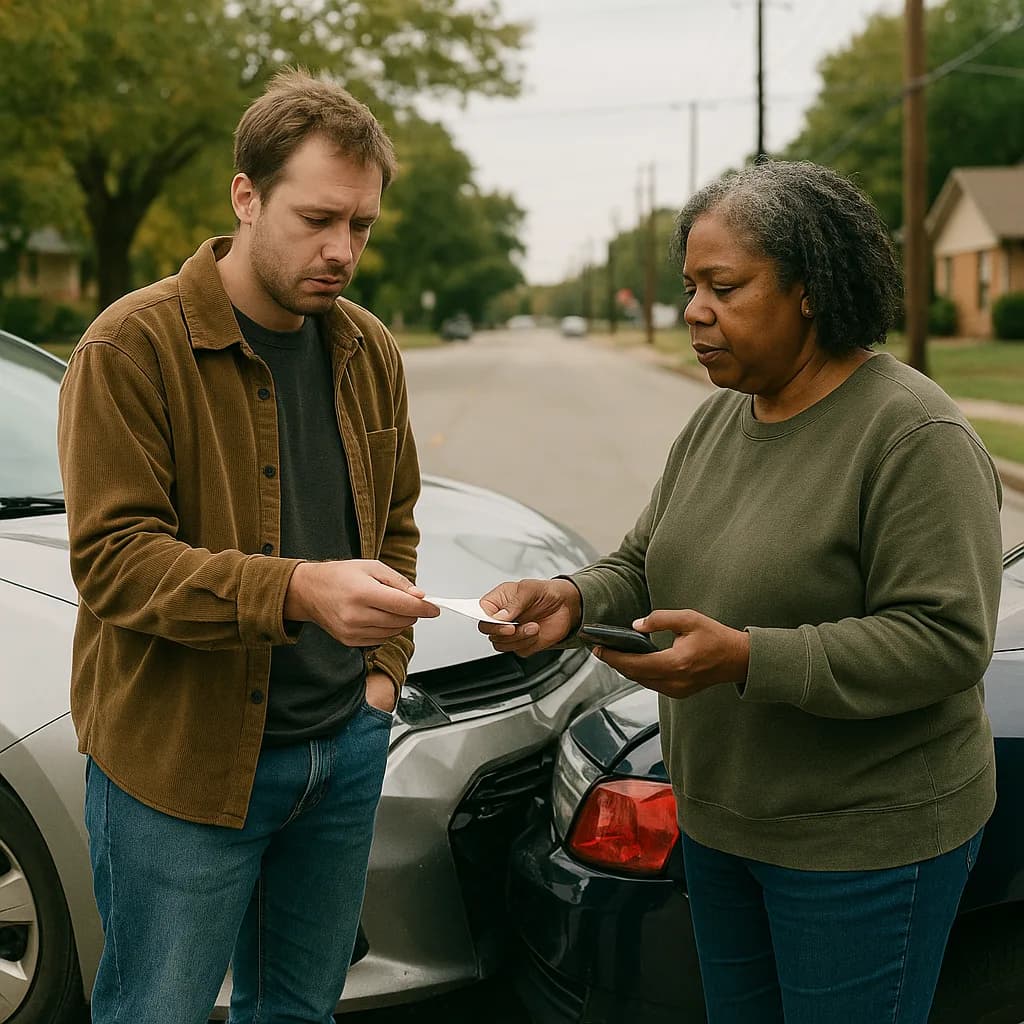
More consequentially, if you are involved in an accident while driving an unregistered vehicle, your insurance carrier may deny the claim on the grounds that the vehicle was not legally operated. Florida is a no-fault state, meaning your personal injury protection coverage pays your medical bills regardless of fault, but property damage liability and collision coverage can be voided if the insurer determines you violated the terms of the policy by driving unregistered.
If you own multiple vehicles and miss the deadline on one, the DMV will not allow you to register any of them until all are insured and brought into compliance. The affidavit system treats the household as a unit, not each car individually.
Registered Vehicles in Florida
19,663,462
Florida has the third-largest vehicle registration base in the United States. The state's affidavit system processes millions of insurance verifications annually, and the database is updated in real time by carriers writing Florida policies.
Florida Department of Highway Safety and Motor Vehicles, 2022
Registration Fees and Title Transfer for Multiple Vehicles
You can stagger the registrations across the 10-day window, but you must have insurance proof for all vehicles before the first registration. If you register your first car on day 2 and your second car on day 8, both registrations will require the same affidavit check showing that every vehicle you own is insured. The DMV does not allow you to register one car, then add insurance to the second car later — the insurance must be in place for the entire household fleet before any registration is processed.
Compare Carriers That Write Multi-Vehicle Policies in Florida
Florida has 25 carriers writing multi-vehicle policies, including Geico, Progressive, State Farm, Allstate, Nationwide, Travelers, Liberty Mutual, Farmers, USAA, and specialty carriers like Dairyland and Bristol West. Not every carrier offers the same multi-car discount structure, and some carriers price households with three or more vehicles more competitively than others. Request quotes from at least three carriers and ask specifically how the multi-car discount applies when all vehicles are listed on one policy versus split across separate policies for different household members. The difference in total premium can be significant, and the quote process takes less time than a single DMV visit.