
Travelers Multi-Car Insurance — Florida
Free to compare
Does Travelers Write Multi-Car Policies in Florida
Travelers writes auto insurance in Florida and offers non-owner coverage, making them an option for households insuring two or more vehicles on one policy. The carrier operates in the standard tier and provides online quoting, which simplifies the process of adding multiple vehicles to a single policy. However, Travelers does not file FR-44 certificates in Florida, a limitation that matters for any household where a driver has a DUI conviction on or after October 1, 2007.
If every driver in your household has a clean record and no one needs FR-44 filing, Travelers can quote coverage for all your vehicles on one policy. If any driver requires FR-44, you will need a carrier that files the certificate and meets Florida's elevated liability minimums of $100,000 per person, $300,000 per accident for bodily injury, and $50,000 for property damage. Travelers cannot meet that requirement, which means the entire household policy must move to a carrier that writes FR-44 if you want every vehicle on the same policy and every driver covered.
“Travelers writes Florida auto policies but cannot file FR-44 or SR-22, which means any household needing a filing certificate must choose a different carrier.”

Compare Florida Car Insurance Quotes Today
Get My Florida Car Insurance Quote$100,000/$300,000/$50,000
Florida FR-44 Minimum Limits
Florida requires drivers with DUI convictions on or after October 1, 2007 to carry bodily injury liability of $100,000 per person and $300,000 per accident, plus $50,000 property damage, and file an FR-44 certificate for three years. Standard minimum coverage does not satisfy this requirement.
Florida Statutes 316.193; FLHSMV
How Travelers Structures Multi-Vehicle Coverage
Travelers structures multi-vehicle policies the same way most standard-tier carriers do: every vehicle sits on one policy, every driver in the household is listed, and the multi-car discount applies to the combined premium. The discount requires all vehicles to be garaged at the same address and titled to members of the same household. Adding a vehicle mid-term re-rates the entire policy rather than simply adding a flat amount, because the carrier recalculates risk across all vehicles and drivers at the time of the change.
If you own three vehicles and one is driven rarely, Travelers will still require you to list it on the policy and carry the coverage you select for all three. Some carriers offer usage-based or pay-per-mile products for low-mileage vehicles, but Travelers does not advertise a separate low-mileage product in Florida. You can adjust deductibles and coverage limits per vehicle to control cost, choosing a $500 or $1,000 deductible for collision and comprehensive on each car based on its value and how you use it.
Travelers does not write SR-22 certificates in Florida, which means if any driver in your household needs SR-22 filing for a non-DUI suspension, you will also need to move to a carrier that files both SR-22 and covers your household's vehicle count. The structural constraint is the same: the filing requirement follows the driver, and if that driver is on your multi-car policy, the policy must sit with a carrier that can file the certificate.

Travelers writes Florida auto policies but cannot file FR-44 or SR-22. If any driver in your household needs a filing certificate, the entire multi-car policy must move to a carrier that files.







Florida Carriers That Write FR-44 and Multi-Car Policies
If any driver in your household needs FR-44 filing, you need a carrier that writes both FR-44 and multi-car policies in Florida. Geico, Progressive, State Farm, Allstate, and Nationwide all file FR-44 and write multi-car policies, giving you standard-tier options that can handle the elevated liability minimums and the three-year filing period. Non-standard carriers including Acceptance Insurance, Bristol West, Dairyland, The General, Infinity, and National General also file FR-44 and write multi-car policies, often at lower base rates for households with DUI history.
The structural decision is whether to keep all vehicles on one policy with the FR-44 filer or split the household into two policies: one FR-44 policy for the driver who needs filing, and one standard policy for the other vehicles and drivers. Keeping everything on one policy preserves the multi-car discount and simplifies billing, but it means every vehicle on the policy carries the elevated FR-44 liability minimums even if only one driver needs the filing. Splitting into two policies lets the non-FR-44 vehicles stay at Florida's standard minimums, but you lose the multi-car discount and manage two separate policies.
Most households find that keeping all vehicles on one FR-44 policy costs less than splitting, because the multi-car discount offsets the higher per-vehicle premium from the elevated limits. The exception is when the FR-44 driver owns only one vehicle and the rest of the household owns several: in that case, a separate FR-44 policy for the one driver and a separate multi-car policy for the other vehicles may produce a lower combined premium. Compare both structures with carriers that write FR-44 before deciding.
20.6%
Florida Uninsured Motorist Rate
One in five Florida drivers is uninsured, which increases the value of uninsured motorist coverage for multi-car households. Florida does not require UM coverage, but adding it protects every vehicle and driver on your policy if an uninsured driver hits one of your cars.
Insurance Research Council, 2023
Adding a Vehicle to a Travelers Policy Mid-Term
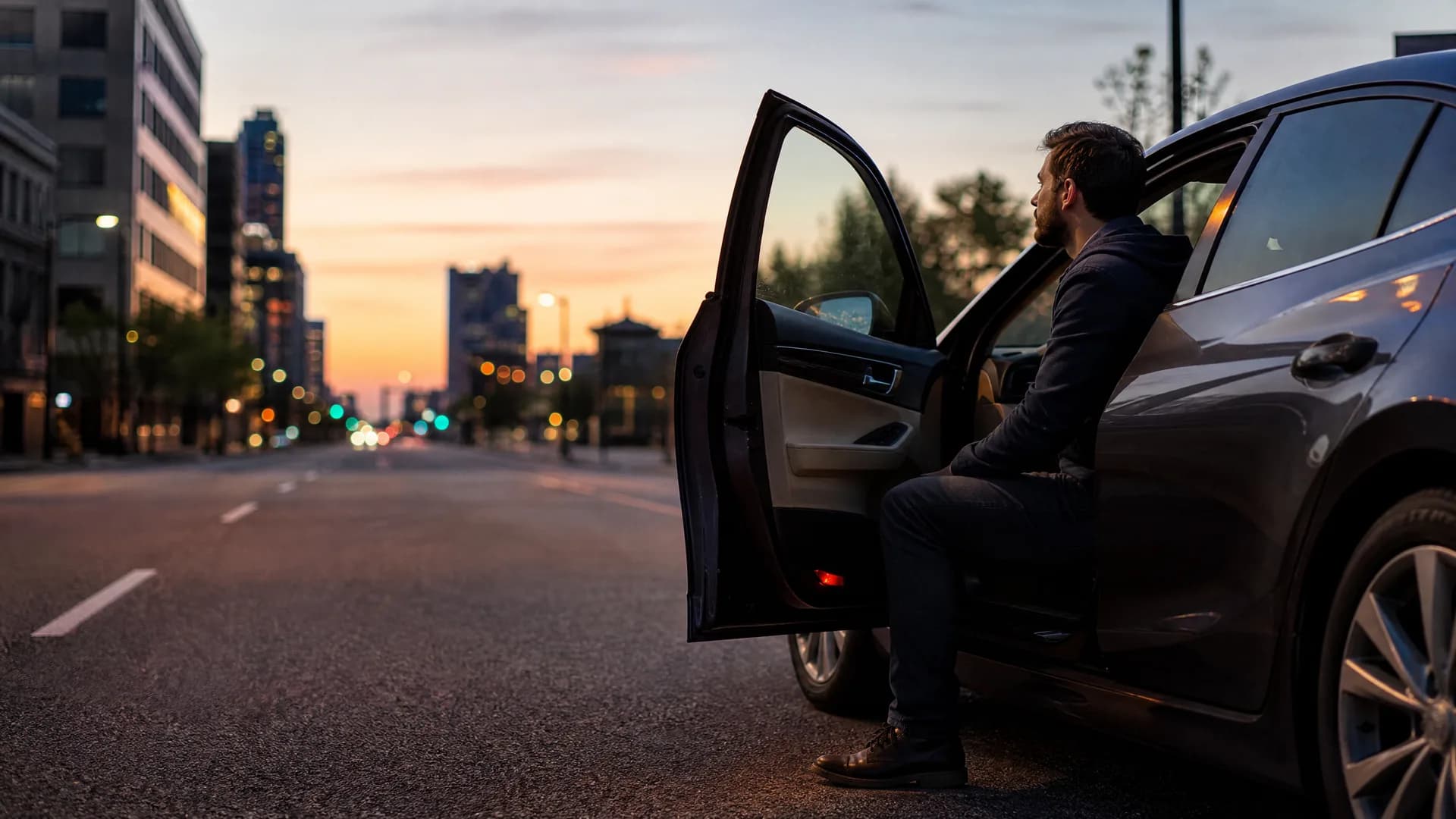
When you buy a new vehicle or add a household member's car to your Travelers policy mid-term, the carrier re-rates the entire policy at the time you report the vehicle. This is not a flat addition: the premium recalculates based on the new vehicle's make, model, year, and how it changes the overall risk profile of your household. A third vehicle that is newer or more expensive to repair will increase the premium more than an older vehicle with lower replacement cost.
Travelers, like most carriers, gives you a grace period to report the new vehicle, typically 30 days from the date you acquire it. During that window, the new vehicle is covered under your existing policy's liability and any physical-damage coverage you carry on your other vehicles. After the grace period, an unreported vehicle is not covered, and a claim on that vehicle will be denied. Report the vehicle as soon as you buy it to avoid any gap in coverage and to lock in the new premium for the rest of the term.
Compare Carriers for Your Household's Vehicle Count
Travelers writes Florida multi-car policies for households with clean records and no filing requirements, but the carrier is one option among many. If your household includes a driver who needs FR-44, you must move to a carrier that files the certificate. If every driver has a clean record, compare Travelers against other standard-tier carriers that write multi-car policies in Florida: Geico, Progressive, State Farm, Allstate, and Nationwide all offer online quoting and multi-car discounts, and each structures their discount and base rates differently.
The multi-car discount percentage is not the only variable that matters. A smaller discount on a lower base rate can produce a lower combined premium than a larger discount on a higher base rate. The only way to know which carrier offers the lowest premium for your household is to quote with several carriers, entering the same coverage limits, deductibles, and vehicle details for each. Florida Car Insurance Requirements provides a comparison tool that lets you enter your household's vehicles once and see quotes from multiple carriers that write multi-car policies in your county.
When Travelers Fits a Multi-Car Household
The carrier's standard-tier positioning means underwriting is stricter than non-standard carriers but less restrictive than preferred-tier carriers like USAA or Amica. If your household includes a teen driver or a driver with one minor violation, Travelers may still quote the policy, though the premium will reflect the added risk. The multi-car discount applies automatically when you add a second vehicle, and the discount increases as you add more cars, though the exact percentage varies by household and is not published.
Travelers offers online quoting, which lets you add vehicles, adjust coverage limits, and compare deductibles without calling an agent. This matters for multi-car households because you can model different coverage structures across your vehicles quickly: full coverage on the two newer cars, liability-only on the older third vehicle, and different deductibles based on each car's value. The online tool shows the combined premium in real time as you make changes, which simplifies the decision process.
Get Your Free Quote
Get My Florida Car Insurance QuoteFrequently Asked Questions
Does Travelers offer a multi-car discount in Florida?
Travelers offers a multi-car discount when you insure two or more vehicles on one policy in Florida. The discount applies automatically when you add a second vehicle, and the percentage increases as you add more cars, though the exact discount varies by household and is not published by the carrier.
Can I add a teen driver to my Travelers multi-car policy in Florida?
You can add a teen driver to your Travelers multi-car policy in Florida. The carrier will re-rate the policy to reflect the added risk, and the premium will increase. Travelers operates in the standard tier, so underwriting is stricter than non-standard carriers but may still quote households with young drivers.
Does Travelers file FR-44 certificates in Florida?
Travelers does not file FR-44 certificates in Florida. If any driver in your household needs FR-44 filing after a DUI conviction, you must move to a carrier that files FR-44 and meets Florida's elevated liability minimums of $100,000 per person, $300,000 per accident for bodily injury, and $50,000 for property damage.
How long do I have to report a new vehicle to Travelers in Florida?
Travelers typically gives you 30 days to report a new vehicle after you acquire it. During that grace period, the new vehicle is covered under your existing policy's liability and physical-damage coverage. After 30 days, an unreported vehicle is not covered, and any claim on that vehicle will be denied.
Can I insure vehicles garaged at two different addresses on one Travelers policy?
Travelers requires all vehicles on a multi-car policy to be garaged at the same address. If your household has vehicles garaged at two different locations, you will need separate policies for each address, and you will lose the multi-car discount that applies when all vehicles sit on one policy.